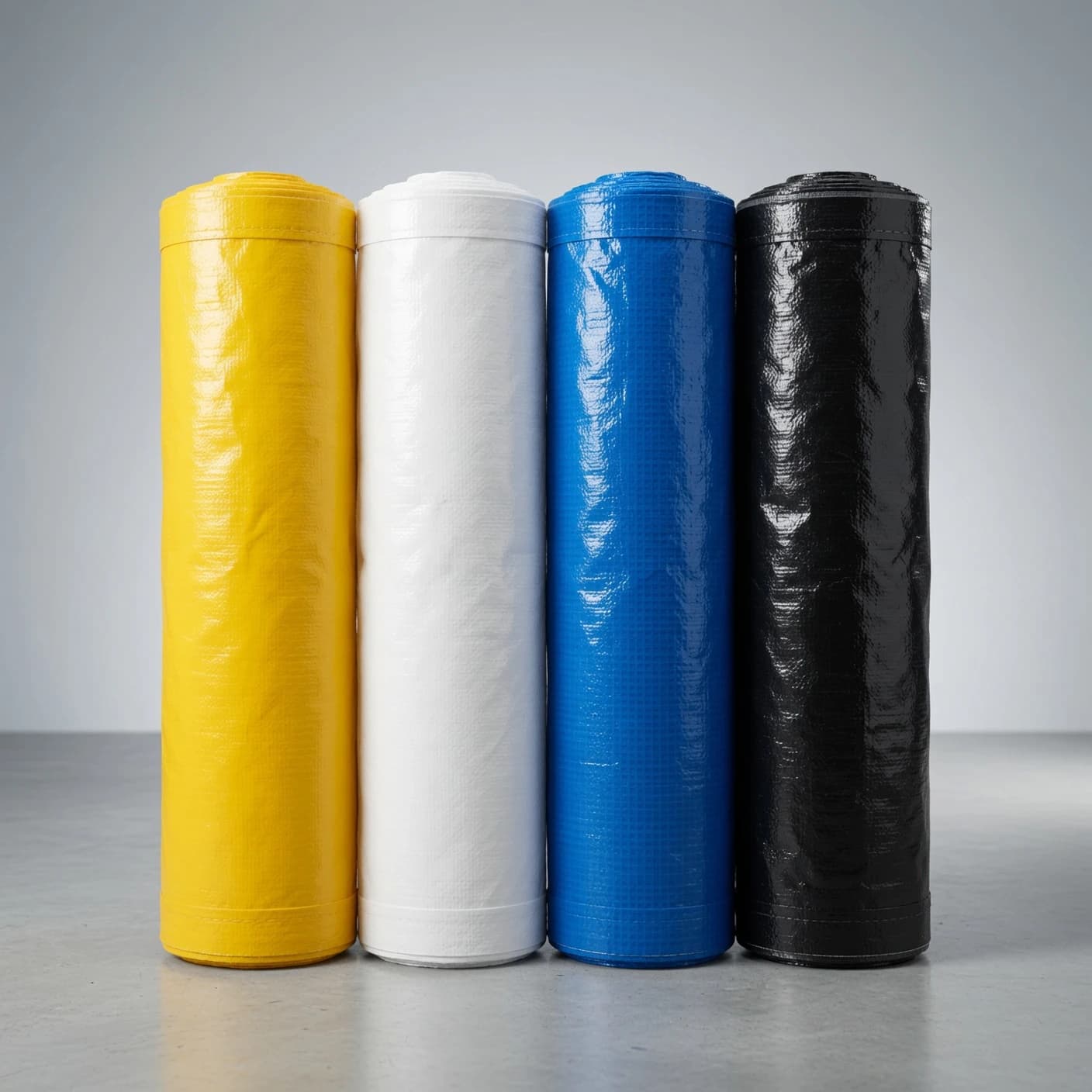
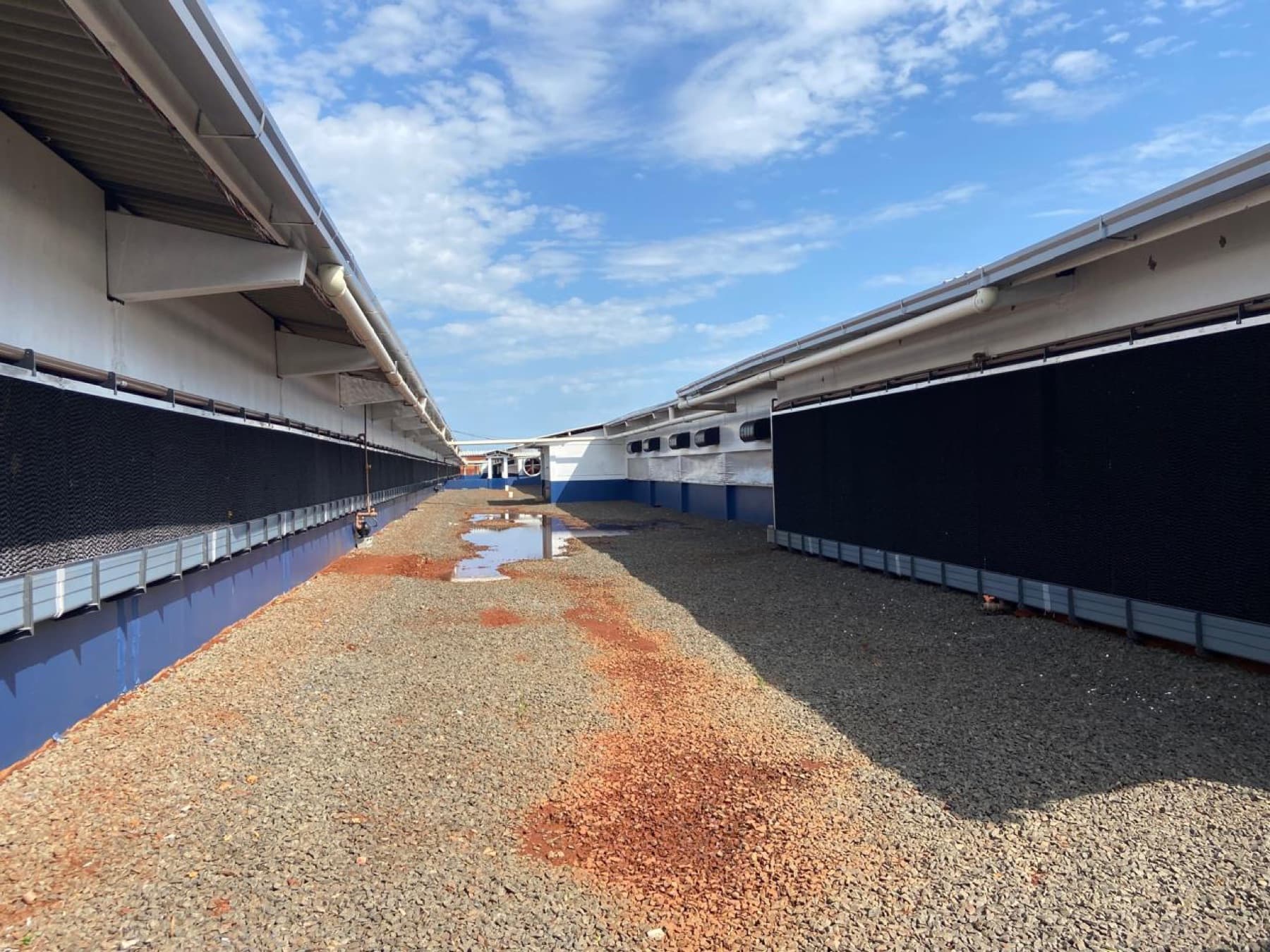
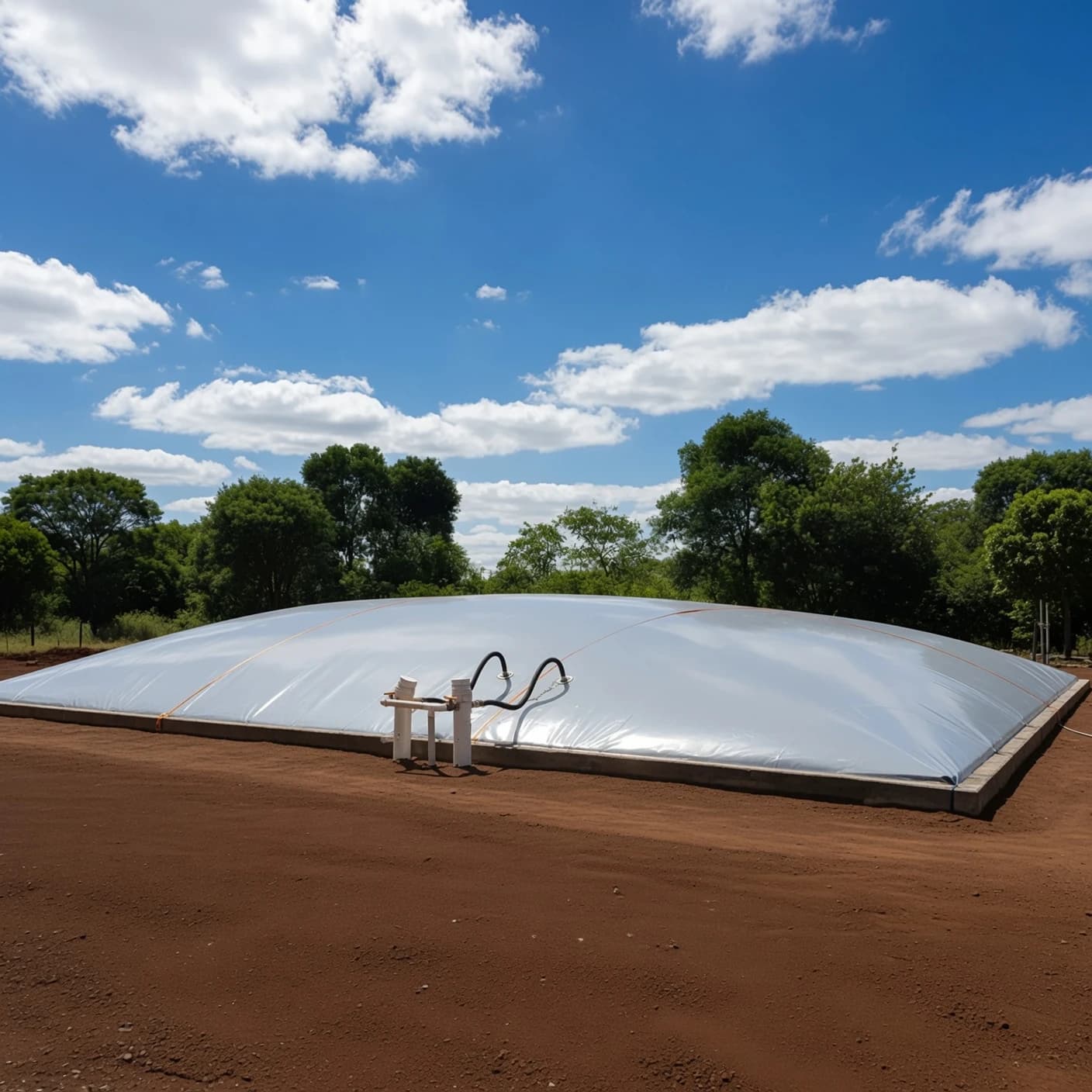
The right geomembrane depends on geometry, stored material, ground conditions and expected loads. LJS compares these variables to define polymer, surface and thickness before installation.
Main applications
Water and aquaculture reservoirs
Lagoons and manure storage
Sanitary and industrial landfills
Irrigation and conveyance channels
Effluent and vinasse tanks
Reservoirs and artificial lakes
Irrigation channels
Manure and effluent tanks
Technical characteristics
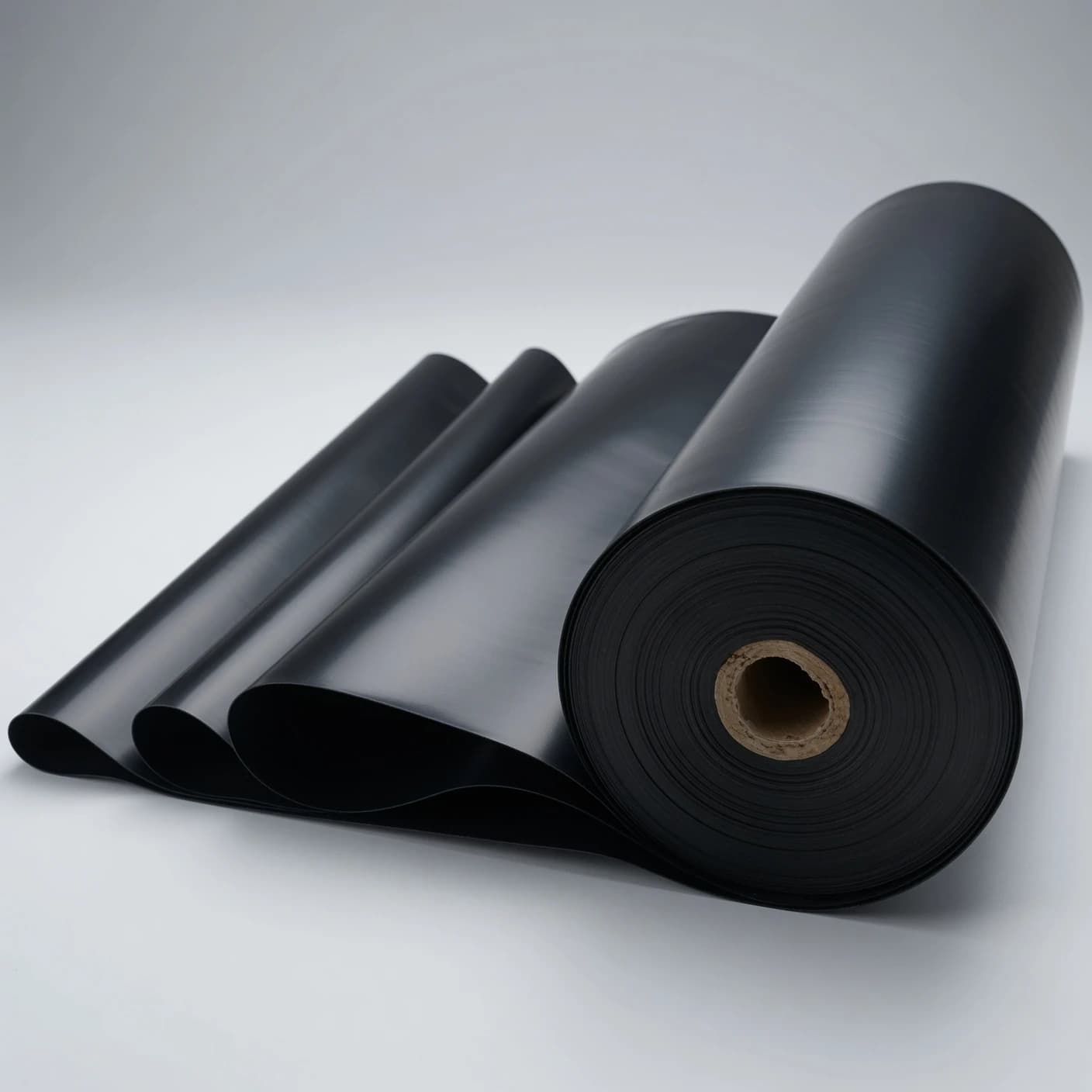
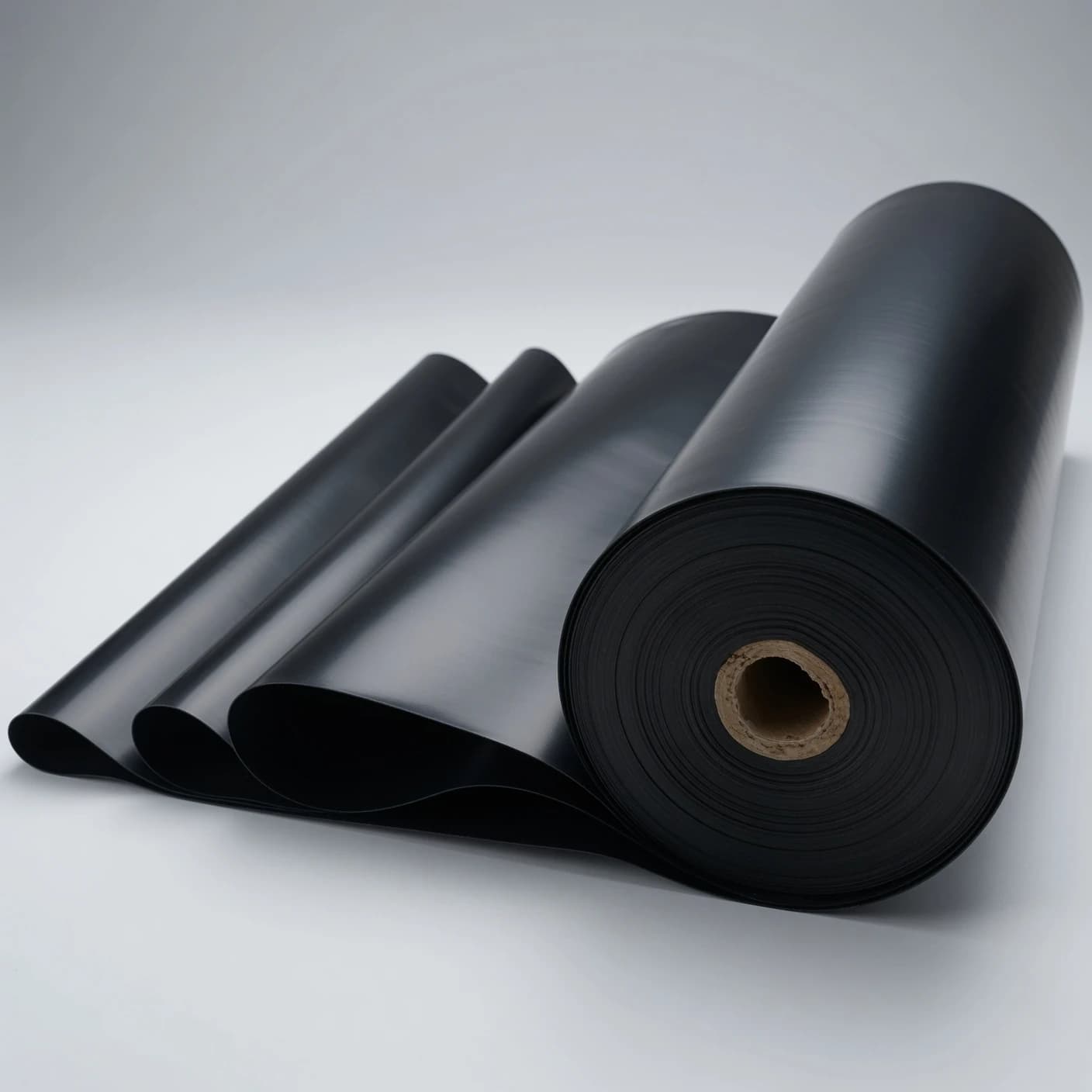
Smooth HDPE for durable containment
LLDPE for flexibility and adaptation
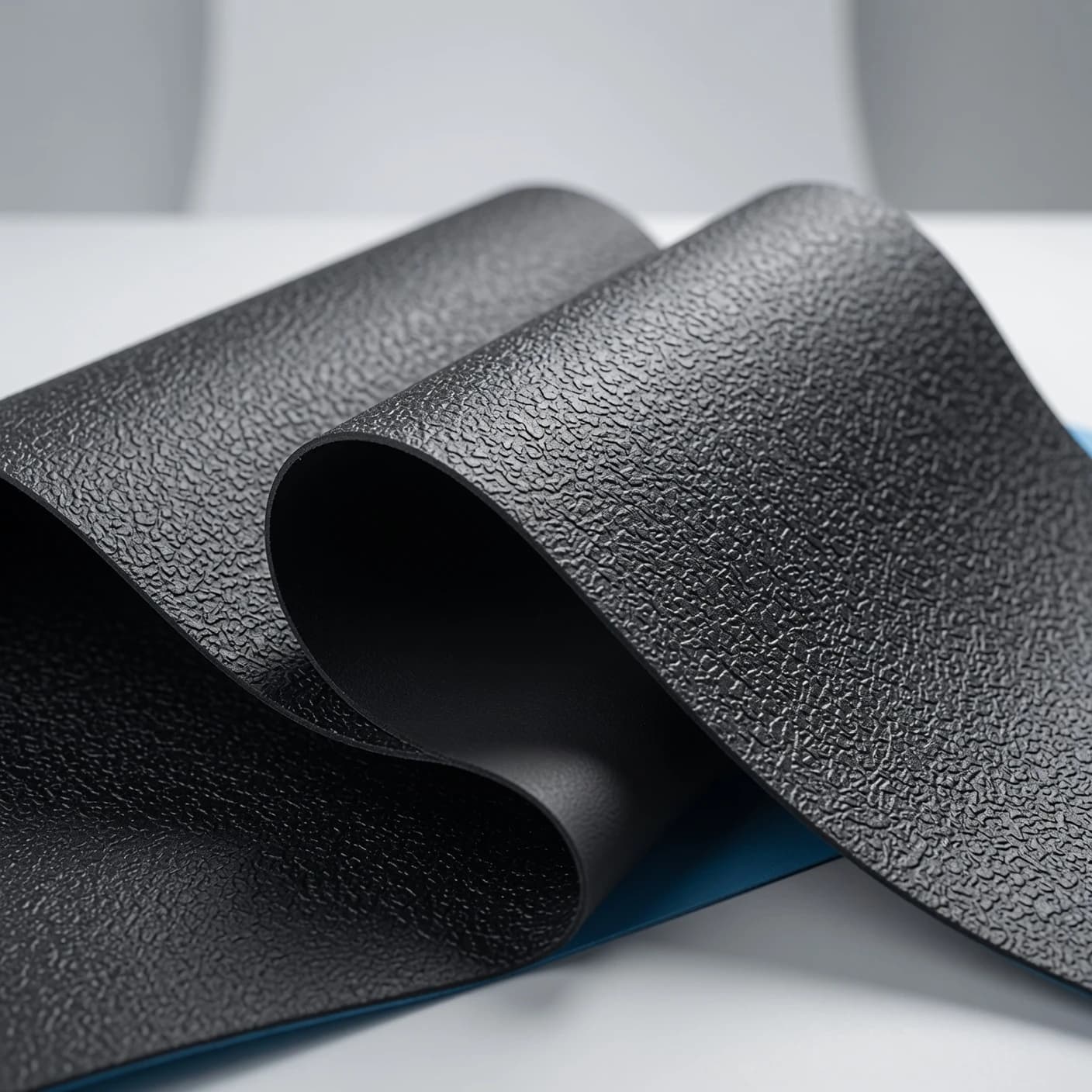
Textured HDPE for slopes and greater friction
Project-specific thickness and finish
Available variants
One material family. Three technical responses.
Compare each geomembrane's characteristics. Final selection considers the complete project, not only liner thickness.
01 / 03
Smooth HDPE geomembrane
A highly durable barrier for containing and waterproofing liquids, gases and waste.
Characteristics
Typical thicknesses from 0.5 mm to 2.5 mm
High chemical resistance
UV protection
Field welding and quality testing
02 / 03
Linear LDPE geomembrane
A more flexible geomembrane for structures that require geometric adaptability and chemical resistance.
Characteristics
Typical thicknesses from 0.8 mm to 2.5 mm
Greater flexibility
Leachate resistance
Good UV stability
03 / 03
Textured HDPE geomembrane
A structured surface designed to increase interface friction on slopes and inclined areas.
Characteristics
Typical thicknesses from 1.0 mm to 2.5 mm
Single or double-sided texture
Greater interface friction
Slope-specific engineering
The recommendation must be confirmed after reviewing the site, geometry and operation.
Field application
The right specification gains value in execution.
LJS connects analysis, material and installation to reduce improvisation and rework on site.