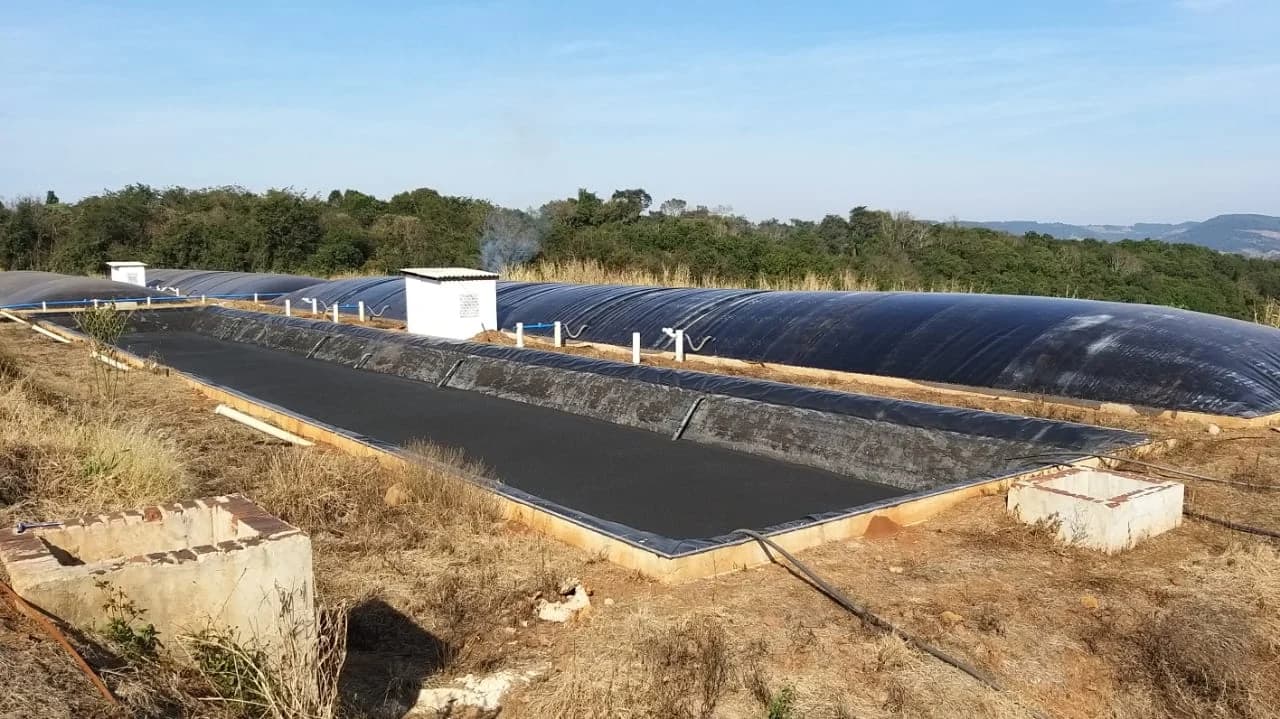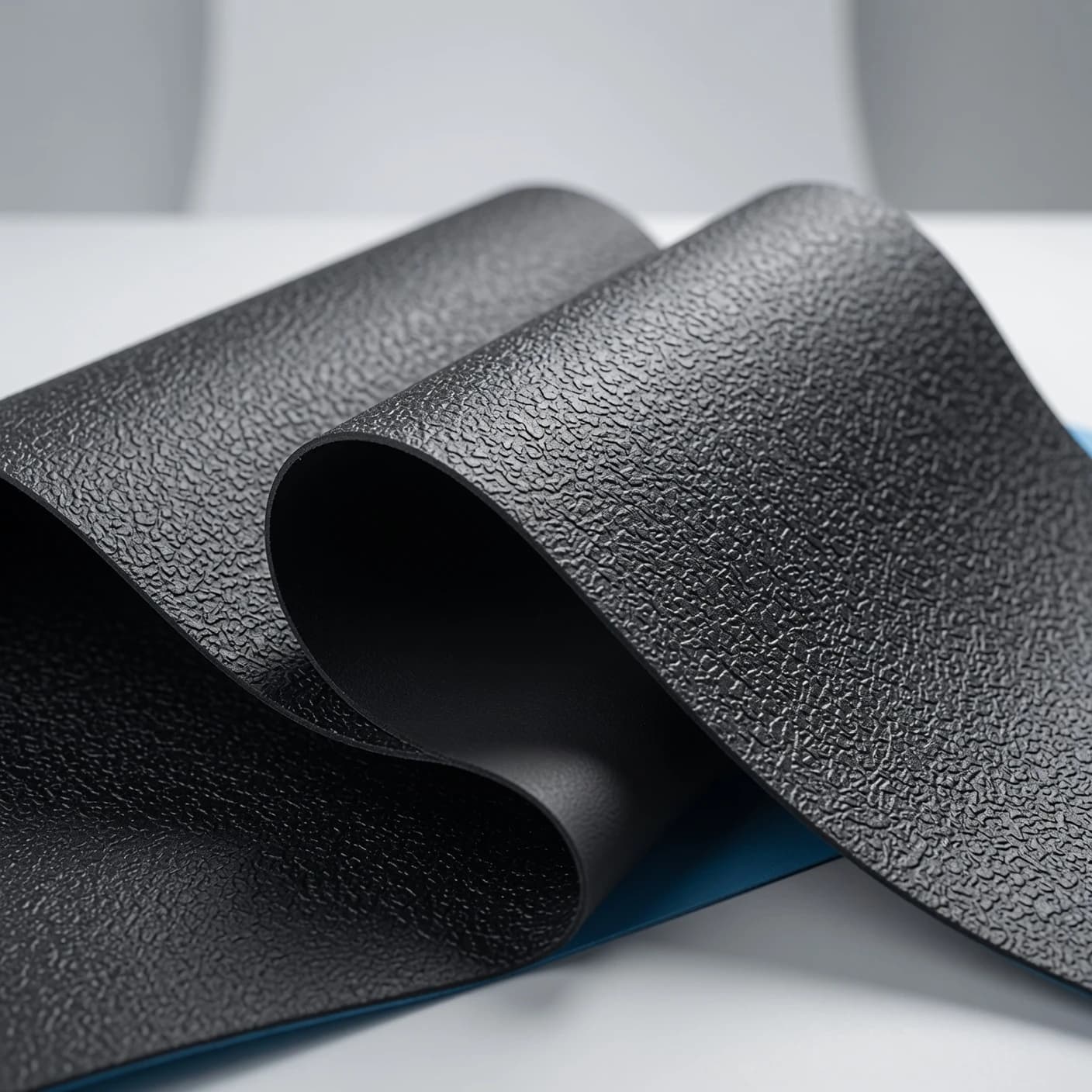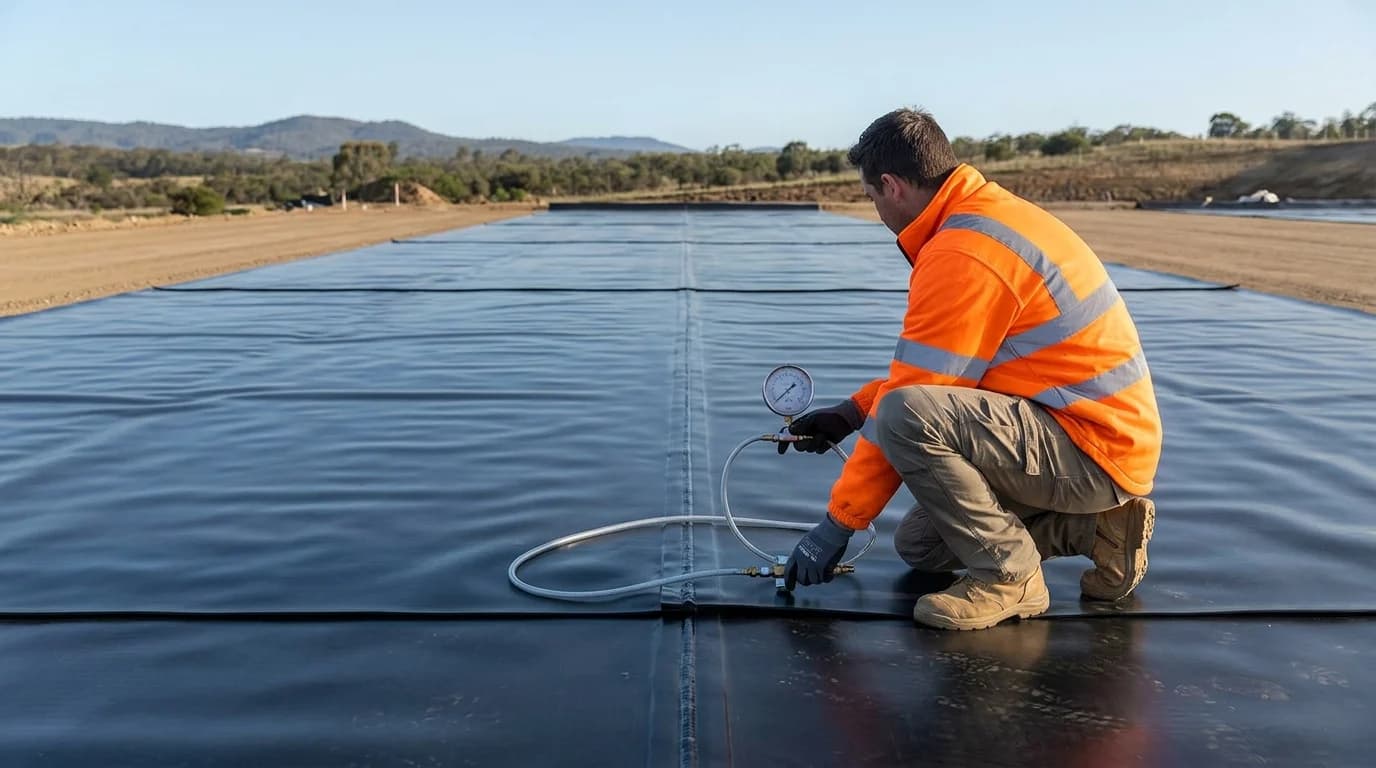
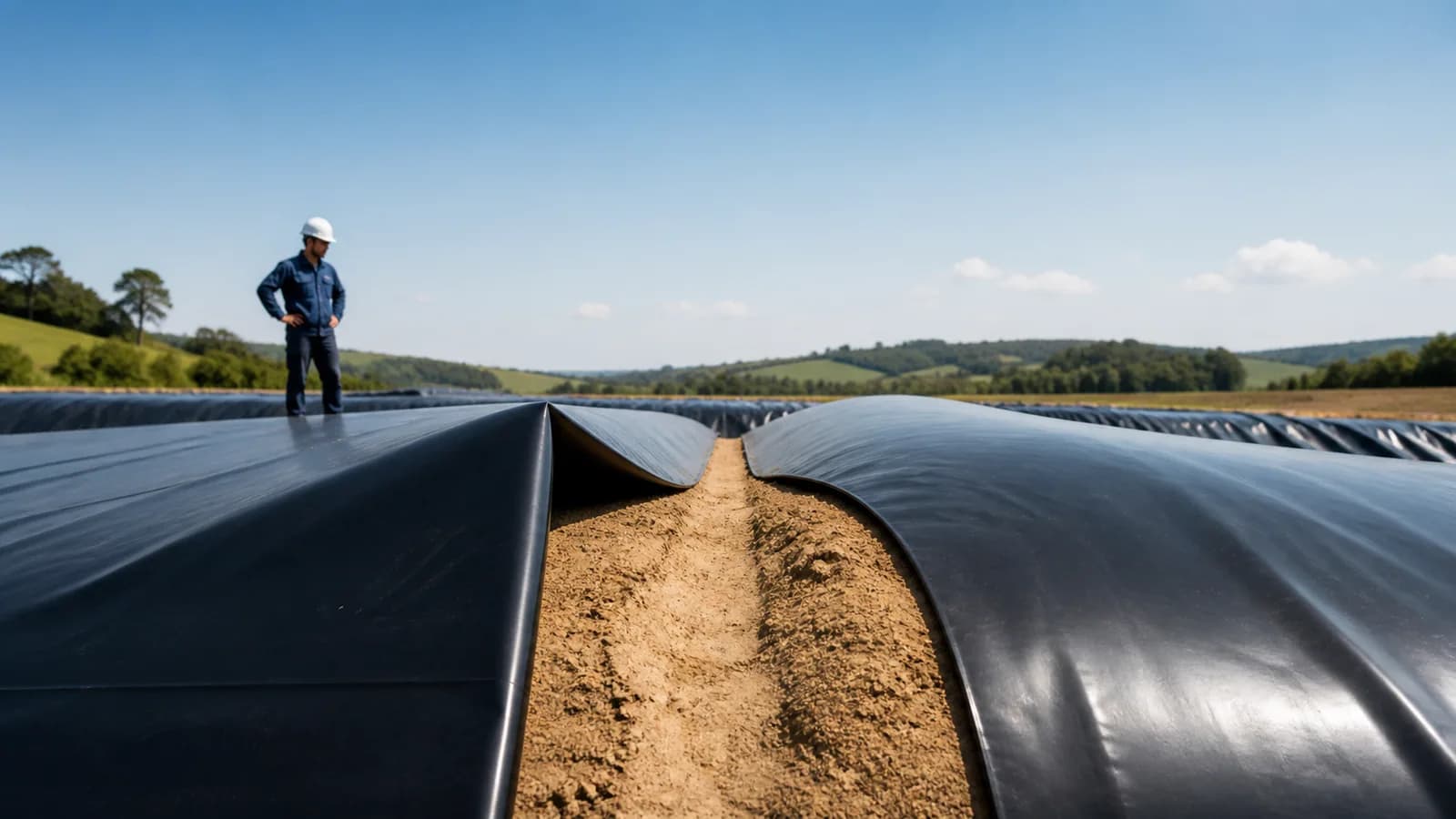
In brief
- HDPE and LLDPE are polyethylene families with different behavior and specifications.
- LLDPE is often considered when accommodating deformation is important; this does not make it better for every project.
- Equal thickness does not mean equal performance.
- Substituting one for the other requires a review of the design, interfaces, welds, and contractual requirements.
“Is HDPE stronger?” and “Is LLDPE more flexible?” are valid but incomplete questions. Resistant to what, at which thickness, temperature, geometry, and duration? What deformation must the flexibility accommodate?
Selecting a polymer based on reputation can hide what actually controls performance. A useful comparison begins with application conditions.
What the names mean
HDPE is high-density polyethylene. LLDPE is linear low-density polyethylene. The public GRI-GM13 and GRI-GM17 specifications address these families separately and assign each its own property sets and manufacturing criteria.
This already reveals an important point: values from an HDPE data sheet must not be copied directly to assess an LLDPE sheet—or vice versa.
A practical comparison without shortcuts
| Question | How to assess it |
|---|---|
| Which better accommodates deformation? | LLDPE tends to offer greater deformation capacity, but details, stress, and support must be verified. |
| Which is stronger? | Compare the relevant failure mode, test method, thickness, and data for the actual product. |
| Which lasts longer? | Formulation, exposure, temperature, stress, installation, and environment prevent a universal answer. |
| Are the welds the same? | Parameters and qualification must match the applicable material, equipment, and specification. |
| Can I substitute one for the other? | Only after reviewing the design, interfaces, documentation, and project requirements. |
When deformation capacity becomes more important
Complex geometries, transitions, details, and expected settlement may increase interest in a sheet that can accommodate more deformation. However, flexibility does not eliminate support preparation, stress control, puncture protection, or slope stability.
Likewise, stiffness is not automatically synonymous with brittleness. Performance must be understood through the material–thickness–geometry–installation combination.
Exposure, chemicals, and temperature also decide
The contained liquid, operating temperature, exposure time, and product formulation must be compatible. The comparison must use technical documentation for the material actually supplied, not only the generic polymer name.
If the geomembrane will be installed on a slope, the polymer family alone also does not determine interface friction. Smooth or textured surface, geotextile, adjacent soil, moisture, and stress are part of the analysis. Read more about smooth or textured geomembranes.
Five inputs for a better decision
- expected deformation and settlement;
- fluid, concentration, and temperature;
- whether the sheet is exposed or covered;
- support, protection, and slope interfaces;
- installation, welding, inspection, and repair methods.
Availability, traceability, roll width, and impact on the panel layout must also be checked. A sound choice on paper can lose value if installation is not planned.
The costliest mistake: substituting without review
Even when two options appear commercially equivalent, substitution may change elongation, behavior at details, welding criteria, and acceptance documentation. If the design specified one family, the substitution must be formally analyzed and documented.
For an initial decision, LJS can relate project conditions to HDPE geomembrane and LLDPE geomembrane options, while keeping the final selection subordinate to the technical specification.
Technical references
- GRI-GM13 — HDPE geomembranes
- GRI-GM17 — LLDPE geomembranes
- Geosynthetic Institute — official GRI specification index
GRI specifications are international manufacturing-quality references. By themselves, they do not define the appropriate solution for a project in Brazil.