In brief
- The application rate depends on the soil, the crop, and the material composition.
- The nutrient or element posing the greatest risk may limit application.
- The pump distributes the material; the agronomic recommendation defines how much, where, and when.
- Rain, terrain, proximity to water, storage, and the field history all affect the decision.
Calling every digestate a “ready-to-use biofertilizer” creates a false sense of safety. Anaerobic digestion changes the material, but it does not make nutrients, salts, solids, or risks disappear. Before opening the valve, it is necessary to know what will be applied and how much the area can receive.
The three analyses that establish the rate
Technical guidance from Embrapa relates:
- soil analysis for each field;
- crop requirement and nutrient removal;
- effluent or digestate composition.
Qualified professionals must evaluate this information. The element with the greatest risk of accumulation, loss, or yield reduction may limit the rate even when another nutrient still appears insufficient.
Why N-P-K may not be enough
Manure contains nutrients in proportions that differ from plant requirements. Setting the rate only by nitrogen may cause phosphorus accumulation; using another element may lead to excessive salts or micronutrients.
Depending on the source and risk, pH, conductivity, solids, organic matter, pathogens, copper, and zinc may also be relevant. The analytical package must be defined for the actual material, not copied from another system.
The field also imposes limits
Before application, check the rain forecast, soil moisture, slope, erosion, drainage, and distance from wells and watercourses. Applying to saturated soil or before intense rainfall increases runoff and nutrient losses.
History matters. A field that has received repeated applications may show accumulation even when an individual rate seems moderate.
The role of storage and equipment
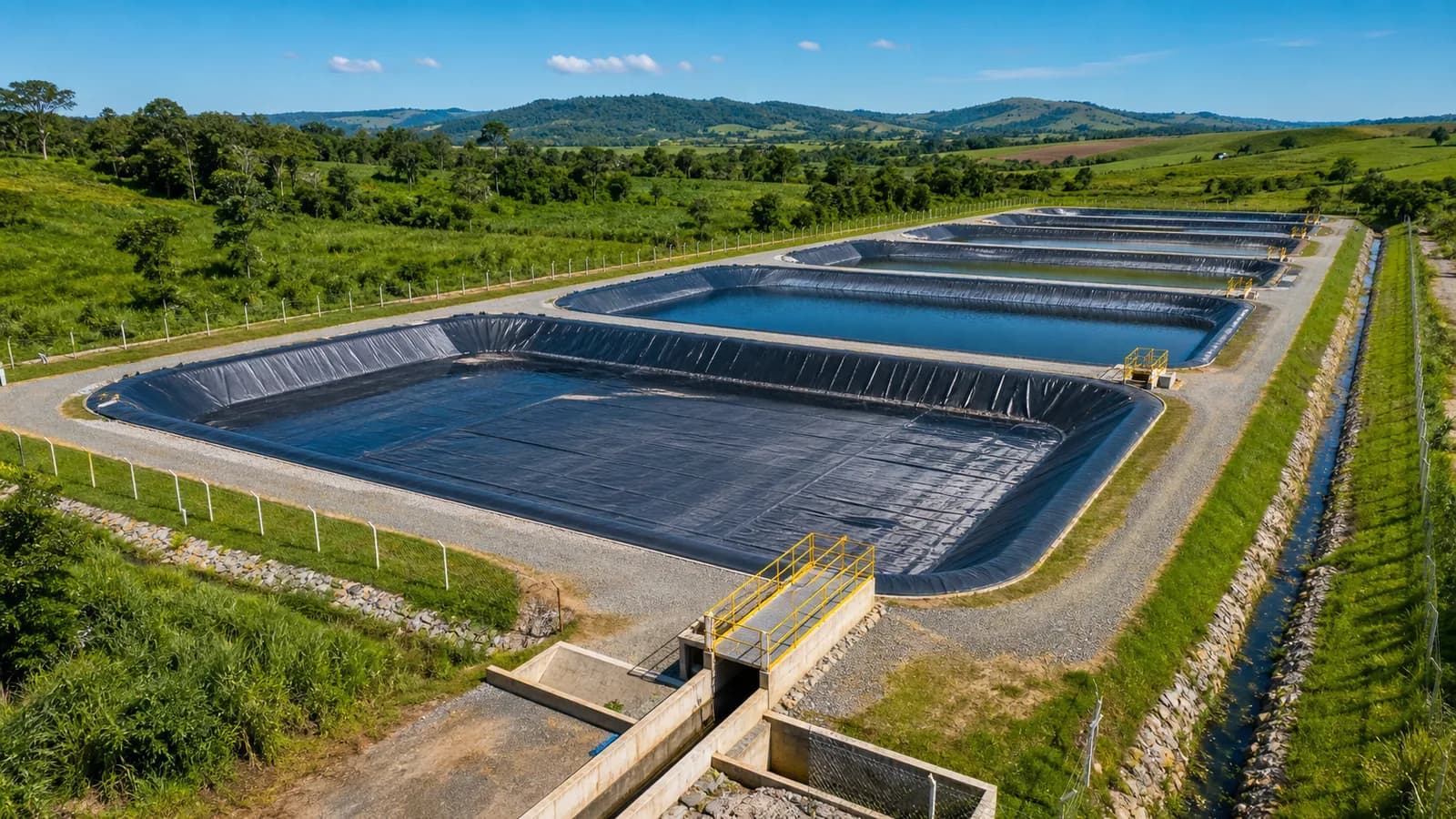
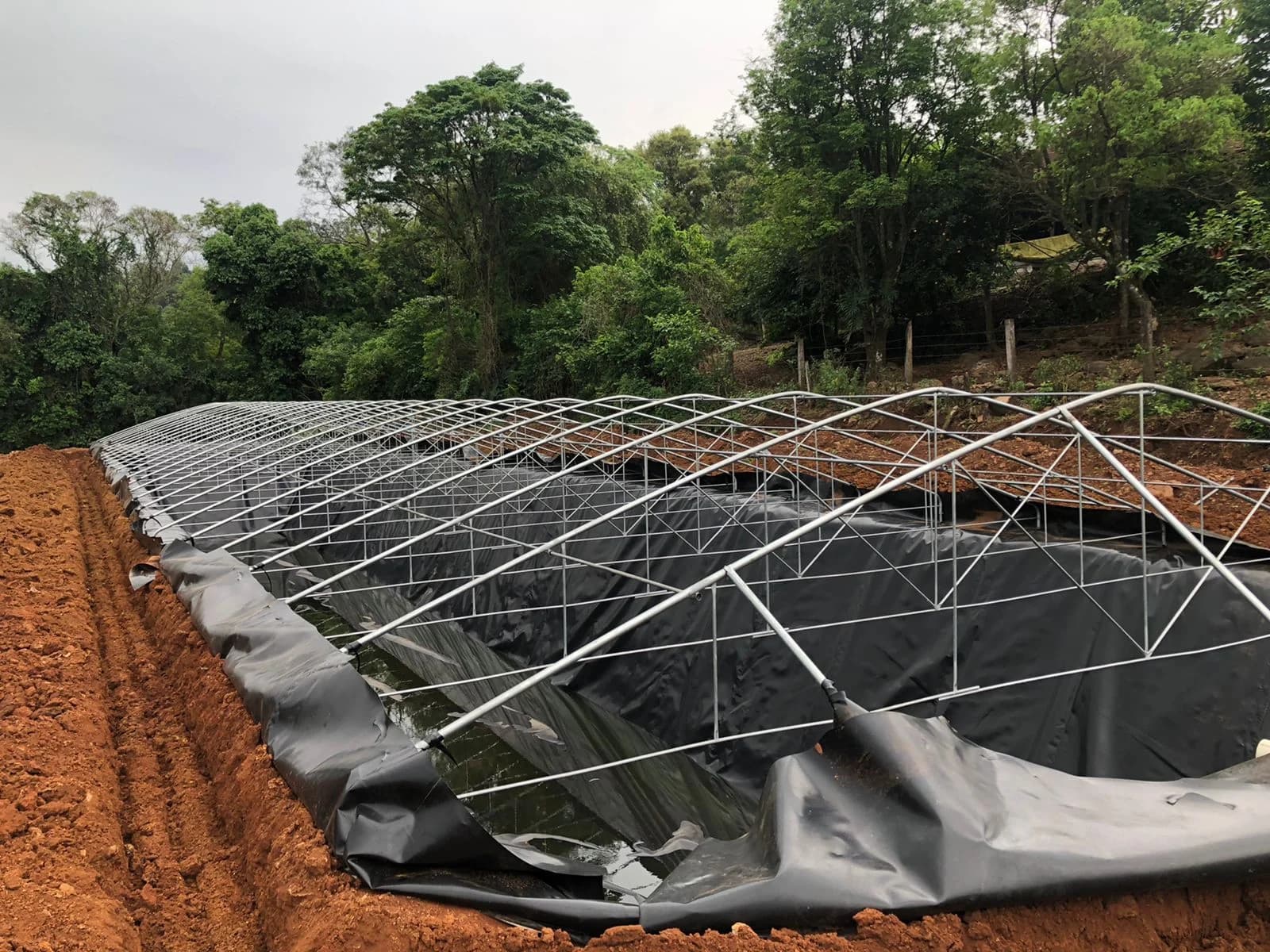
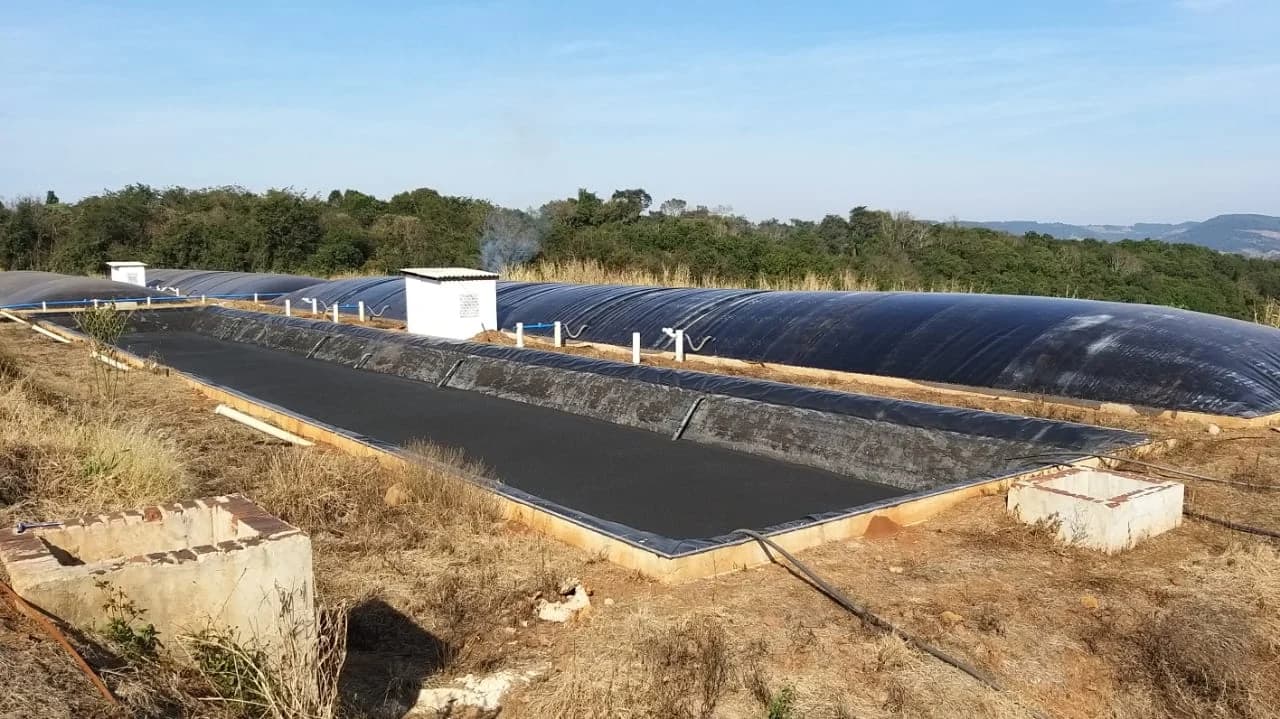
When the weather or crop conditions prevent application, the system must provide safe storage. Without reserve capacity, operating pressure may turn fertigation into disposal.
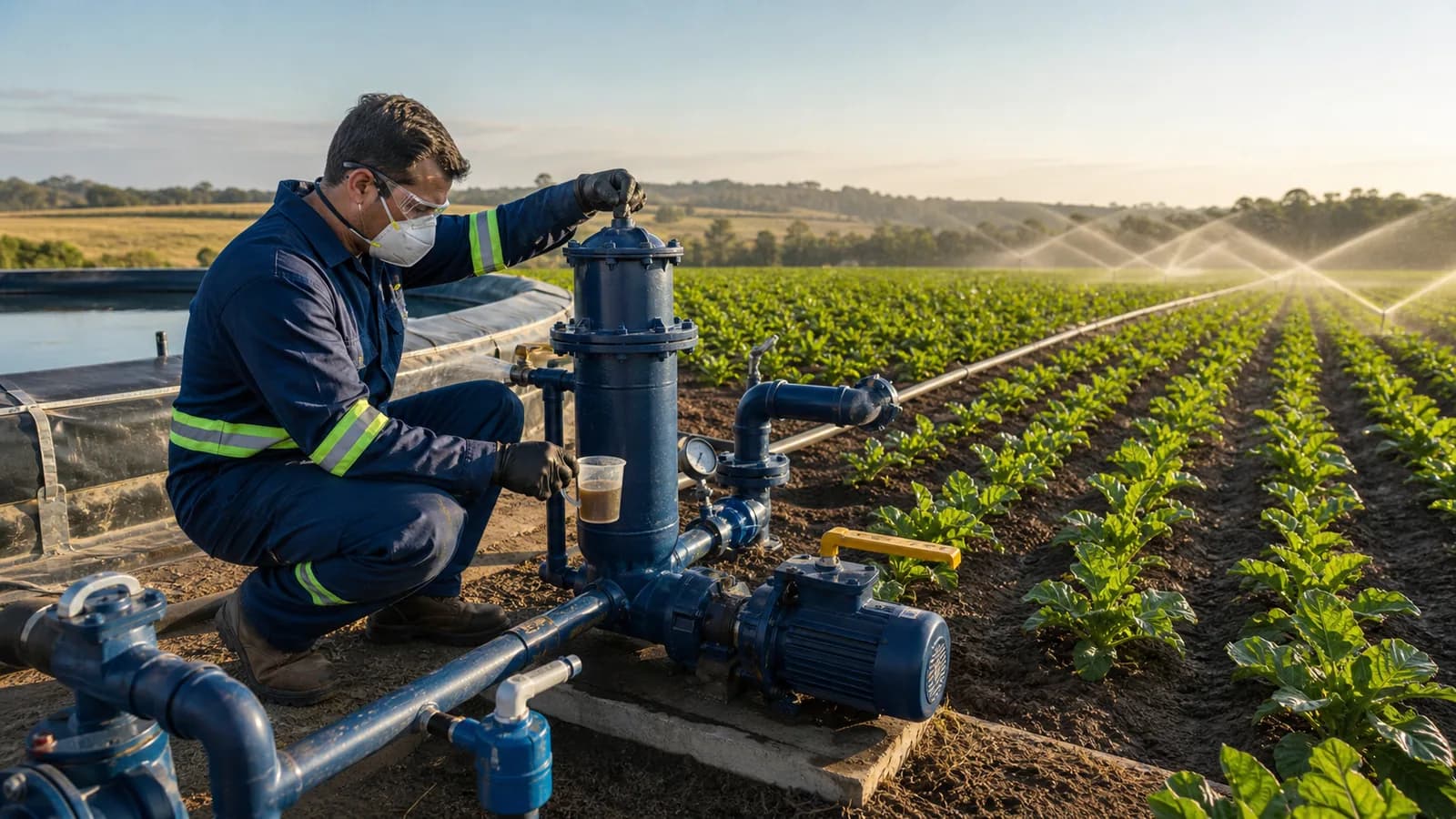
Pumps, filters, and lines must handle solids, pressure, and flow. Distribution uniformity must be verified, and the volume applied per area must be recorded. Larger equipment does not correct a poor recommendation.
Checklist before opening the valve
- material origin, process, and stability;
- volume and seasonality;
- sampling and analyses defined according to risk;
- soil analysis and field history;
- crop, expected yield, and application window;
- limiting nutrient or element;
- weather, terrain, drainage, and nearby waters;
- storage for days when application is not possible;
- pump, filter, pressure, and uniformity;
- contingency for equipment failure or rain;
- records and monitoring.
What the regulations say
CONAMA Resolution 430/2011 states that land disposal must not cause pollution or water contamination. For swine-farming licensing in Santa Catarina, IMA/SC Instruction 11 establishes state requirements for storage and application. Other states may impose different conditions.
Application must follow the applicable permit, plan, and professional responsibility requirements. Brazil has no single nationwide rate in m³/ha for every digestate and crop.
LJS can support irrigation and fertigation, storage, and pumping infrastructure. Agronomic recommendations and laboratory analyses remain the responsibility of the corresponding qualified professionals.