Preserving water quality in enclosed storage reservoirs is not the result of a single product or isolated intervention, but of a sequence of well-articulated physical and operational barriers. When rainwater or well water enters the structure carrying organic matter, dust, and debris, the internal quality degradation process accelerates, fostering the proliferation of microorganisms and the buildup of bottom sludge.
For rural facilities, poultry/swine farms, industries, and agricultural operations, preserving this water reserve requires continuous preventive methods, from roof catchment to careful liquid extraction.
The concept of multiple protective barriers
Maintaining a reservoir in sound sanitary and operational conditions relies on the principle that no single step guarantees water purity. This set comprises:
- Catchment prevention: cleaning roofs, sheds, and gutters.
- Initial segregation: mechanical retention of coarse solids and discarding the first rainfall flush.
- Watertightness and isolation: reservoir protected against sunlight exposure and vector entry.
- Inlet and suction management: inflow calming and floating intake extraction.
- Periodic monitoring and disinfection: tailored to the water's intended use.
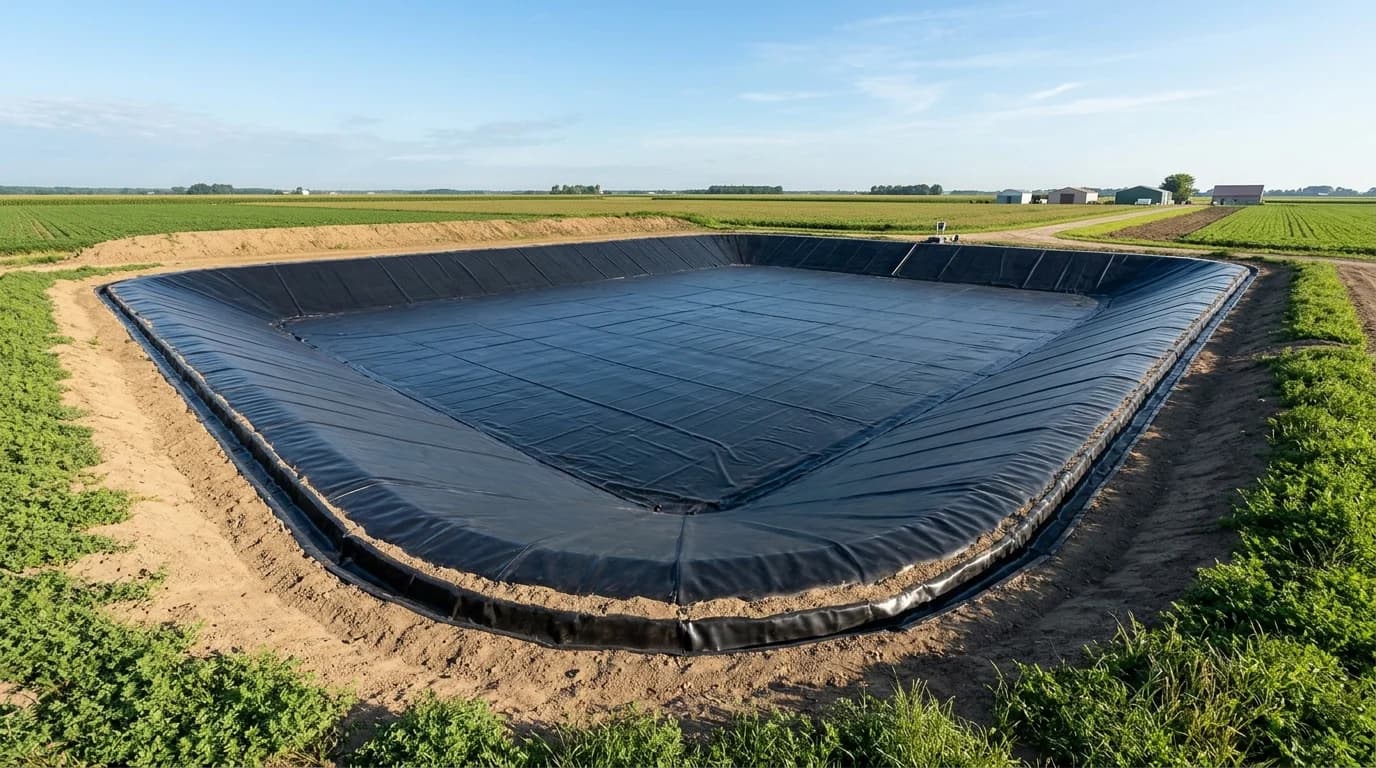
For those planning new structures or seeking to upgrade existing facilities, cistern construction and waterproofing with geomembranes and impermeable covers streamlines the control of these barriers by providing smooth, inert, and washable surfaces.
1. Control at the catchment area and conveyance gutters
Water preservation begins long before reaching the reservoir's inlet pipe. Roof surfaces accumulate bird droppings, plant debris, fallen leaves, and soot. Installing gutters designed for rapid drainage prevents continuous ponding, reducing the biological decomposition that acidifies and contaminates rainwater runoff.
- Gutter sweeping and inspection: remove branches, nests, and accumulated sediment prior to intense rainy periods.
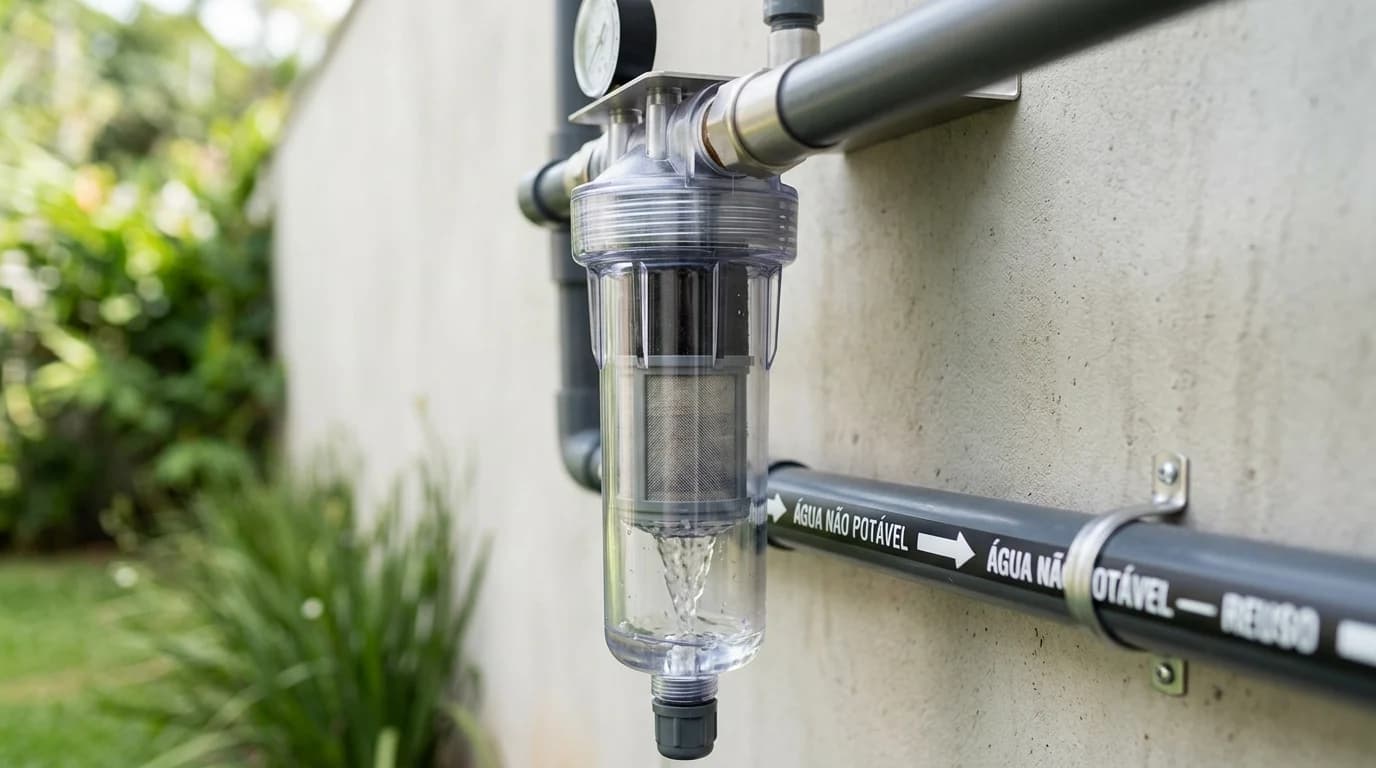
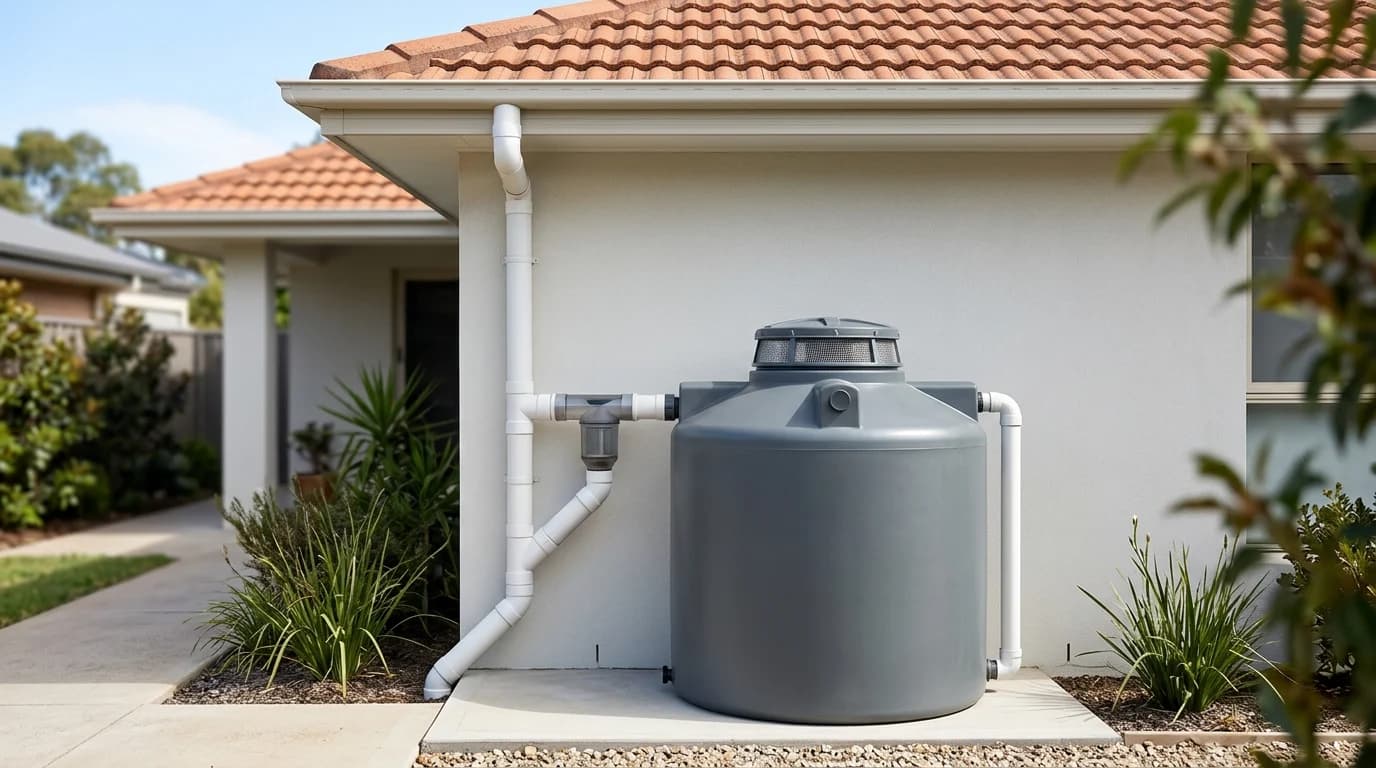
- Self-cleaning leaf screens at downspouts: apply mesh screens or grates made of metal or polymer at downspout drop outlets to block large leaves and coarse debris.
- Pruning overhanging branches: trim trees situated too close to catchment surfaces to decrease transported organic load.
2. Solids separation and first-flush diversion
The water that washes roof surfaces during the first minutes of rain carries the highest concentration of pollutants and coliforms. For this reason, industry technical guidelines and best practice manuals recommend automatic first-flush diverters.
Sizing this diversion varies based on the catchment area and preceding dry spell duration, typically discarding the initial millimeters of precipitation. By preventing this initial load from entering the cistern, the remaining volume is preserved with a significantly lower suspended solids content.
Following first-flush diversion, routing the flow through mechanical sand, gravel, or fine mesh filtration ensures additional retention of fine particles that bypass downspout filters.
3. Internal preservation: complete darkness and airtight sealing
Algal blooms and photosynthetic biofilm development depend on sunlight. Functional cisterns must keep their interior in total darkness.
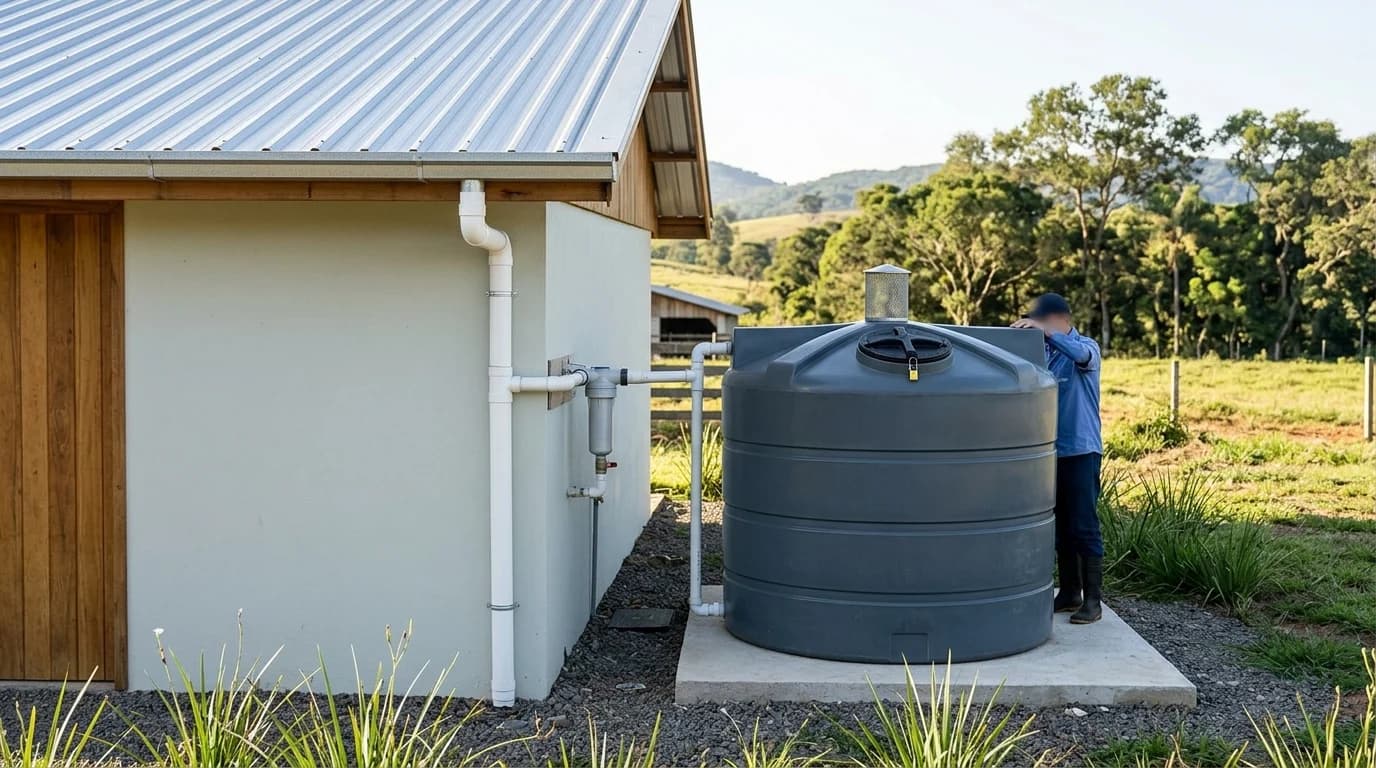
- Vector sealing: air vents, overflow pipes, and inspection hatches require fine-mesh screens to keep out insects, rodents, and amphibians.
- Lockable hatch covers: well-sealed maintenance access points prevent surface runoff or untreated rainwater ingress.
- Inert waterproofing: reservoirs lined with high-density polyethylene (HDPE) geomembrane exhibit low surface roughness, minimizing biofilm adhesion to walls and facilitating periodic inspections.
4. Hydraulic dynamics: calm inlet and proper suction
Internal turbulence agitates settled sludge, remixing sedimented particles with clear water in the intermediate column.
Calming inlet (water brake)
The downpipe routing water to the cistern floor must feature an upward-curved terminal fitting (calming inlet or water brake). This bend dissipates the kinetic energy of incoming water, directing flow upward and preventing agitation of settled bottom sediment.
Intermediate-level extraction
Pumping extraction should not occur at the reservoir floor (where settled sludge accumulates) nor at the immediate surface (where oils and fine foam may float). A floating suction intake positioned 10 to 20 centimeters below the water surface draws the cleanest water from the system.
5. Cleaning protocol and quality monitoring
Even with all physical barriers active, fine sediment particles gradually accumulate on the cistern floor over time. Left unmanaged, this sediment creates an anaerobic layer.
- Bottom inspection: monitor the sludge layer thickness. When it reaches several centimeters or impairs effluent turbidity, schedule emptying for mechanical cleaning.
- Emptying and washing: clean the floor and sidewalls exclusively using clean water jets and soft-bristled brushes, draining dirty wash water without reuse.
- Periodic disinfection: controlled dosing of chlorine-based compounds is recommended to sanitize the cleaned reservoir prior to refilling.
- Intended use and laboratory testing: rainwater harvesting primarily serves washdown, sanitation, irrigation, and cooling needs. If allocated for livestock drinking or human consumption, sanitary regulations (such as Brazilian Ordinance GM/MS No. 888/2021) mandate specific treatments (advanced filtration and continuous disinfection) alongside periodic laboratory potable water tests.
For operations seeking to deploy secure, large-scale rainwater harvesting tailored to custom sizing, evaluating structured cisterns allows integrating storage efficiency with stringent hygiene standards and operational convenience.