Non-Potable Water: What It Is, Where It Can Be Used, and How to Store It Safely
Water is an essential resource for agriculture, industry, and many activities in our daily lives. However, not all available water meets the quality standards required for human consumption.
Non-potable water can serve important purposes in various activities, provided its quality is suitable for the intended application and appropriate measures are taken to prevent risks to human health and the environment.
In this article, you will learn what non-potable water is, how it differs from potable water, its potential applications, and the importance of reservoir waterproofing for proper storage.
What Is Non-Potable Water?
Non-potable water is water that does not meet, or has not been verified to meet, the quality standards required for human consumption.
This means it should not be used for drinking, food preparation, or other activities requiring potable water without appropriate treatment and verification of its quality.
In Brazil, drinking water quality standards are established by the Ministry of Health under Ordinance GM/MS No. 888/2021 and its subsequent amendments.
It is important to understand that appearance alone does not determine water safety. Even clear, odourless water may contain microorganisms, chemical substances, or other contaminants.
What Is the Difference Between Potable and Non-Potable Water?
The main difference lies in the quality requirements established for each intended use.
Potable water: Meets drinking water quality standards, including microbiological, physical, and chemical requirements, and should not pose health risks.
Non-potable water: Does not meet, or has not been verified to meet, drinking water quality standards. Its use depends on water quality, potential risks, and the requirements applicable to the intended purpose.
It is also important to note that non-potable water is not necessarily reclaimed water. Reclaimed water is water that has previously been used and is intended for another application, generally following appropriate treatment.
What Can Non-Potable Water Be Used For?
Depending on its source, composition, treatment, and quality, non-potable water can be used for various purposes.
1. Agricultural and Landscape Irrigation
Certain sources of non-potable water can be used for irrigation, provided they meet the quality requirements and conditions applicable to the type of crop, soil, and irrigation system.
2. Industrial Applications
In industrial operations, water with specific characteristics may be used in processes that do not require drinking water quality, such as certain washing, cooling, and auxiliary operations.
Suitability must be assessed according to the requirements of each industrial process.
3. Outdoor Cleaning
Under appropriate conditions, non-potable water of suitable quality may be used for cleaning floors, yards, and other outdoor areas, provided relevant health and environmental requirements are met.
4. Toilet Flushing
Systems designed to use non-potable water may supply toilet flushing systems, provided they include proper identification, separation from drinking water networks, and measures to prevent contamination.
5. Agricultural and Industrial Reservoirs
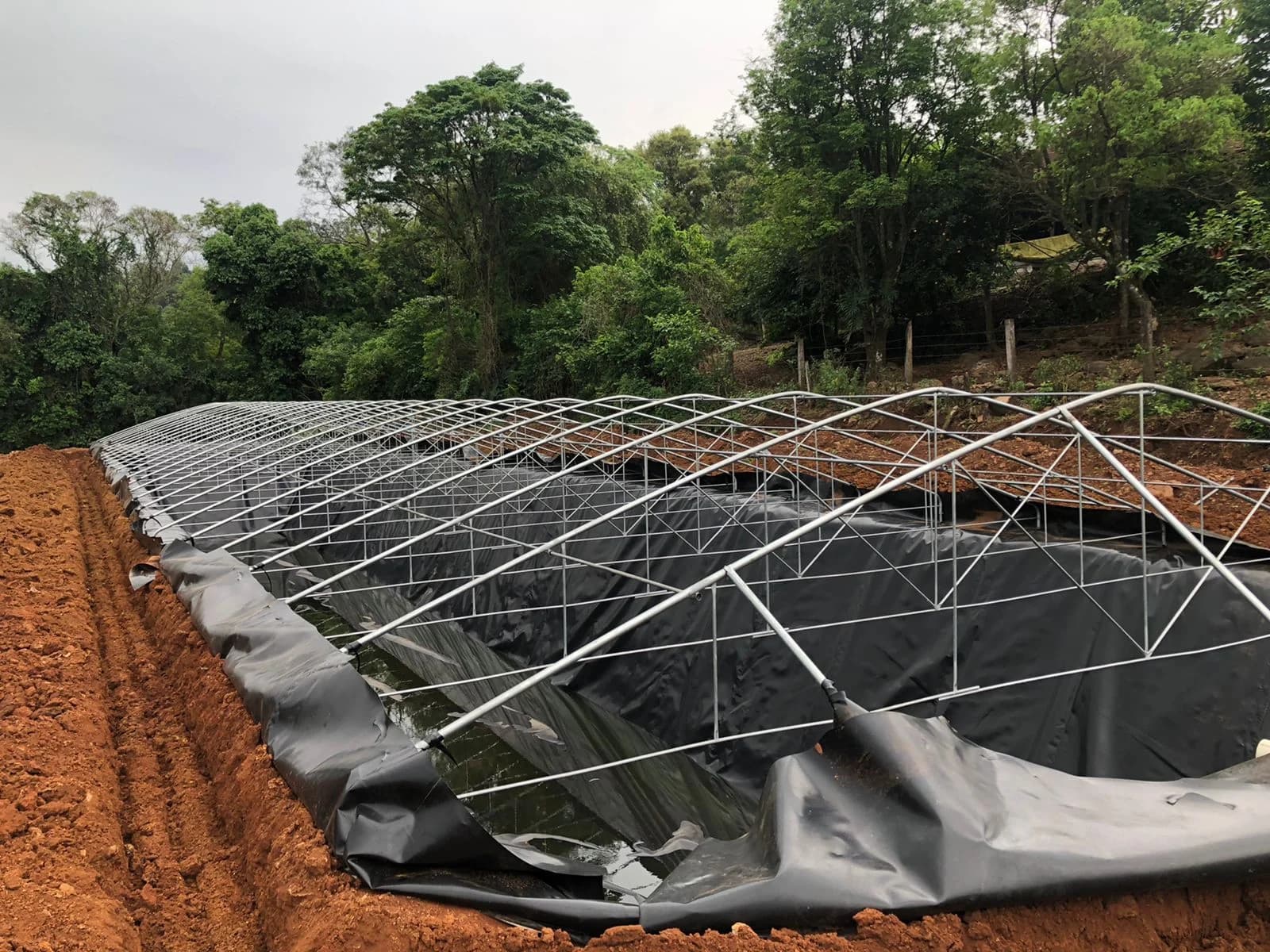
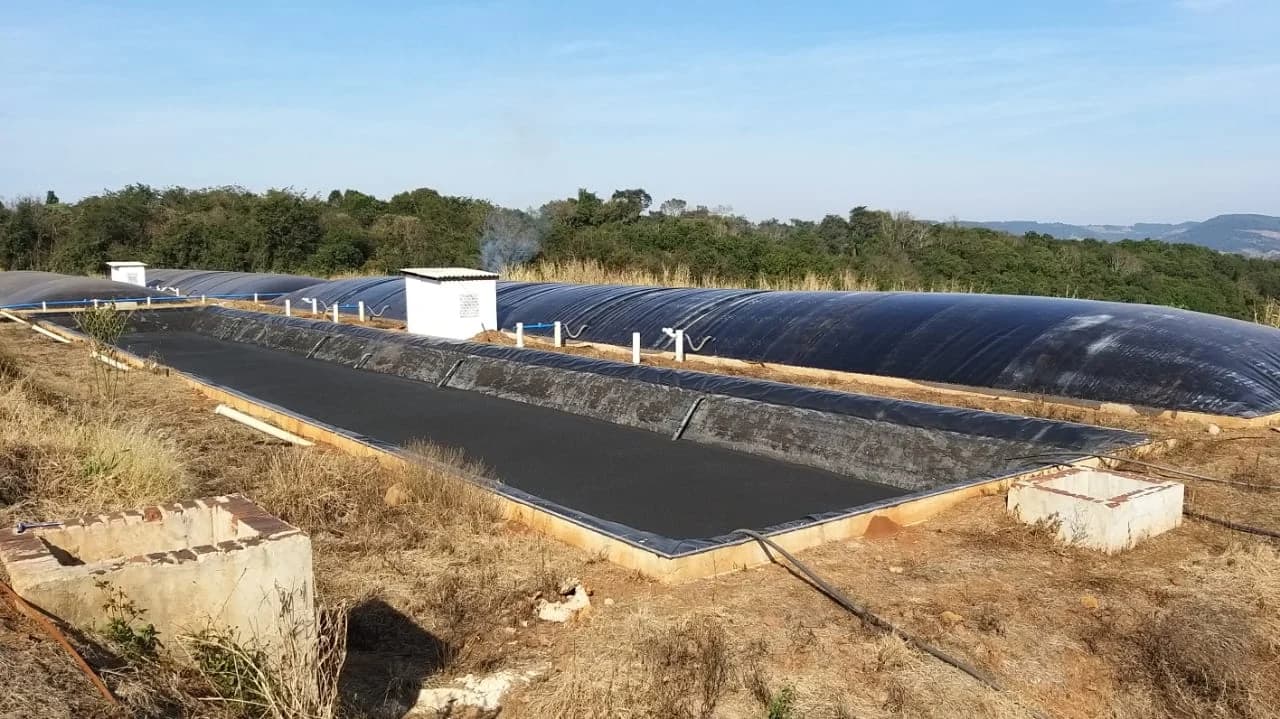
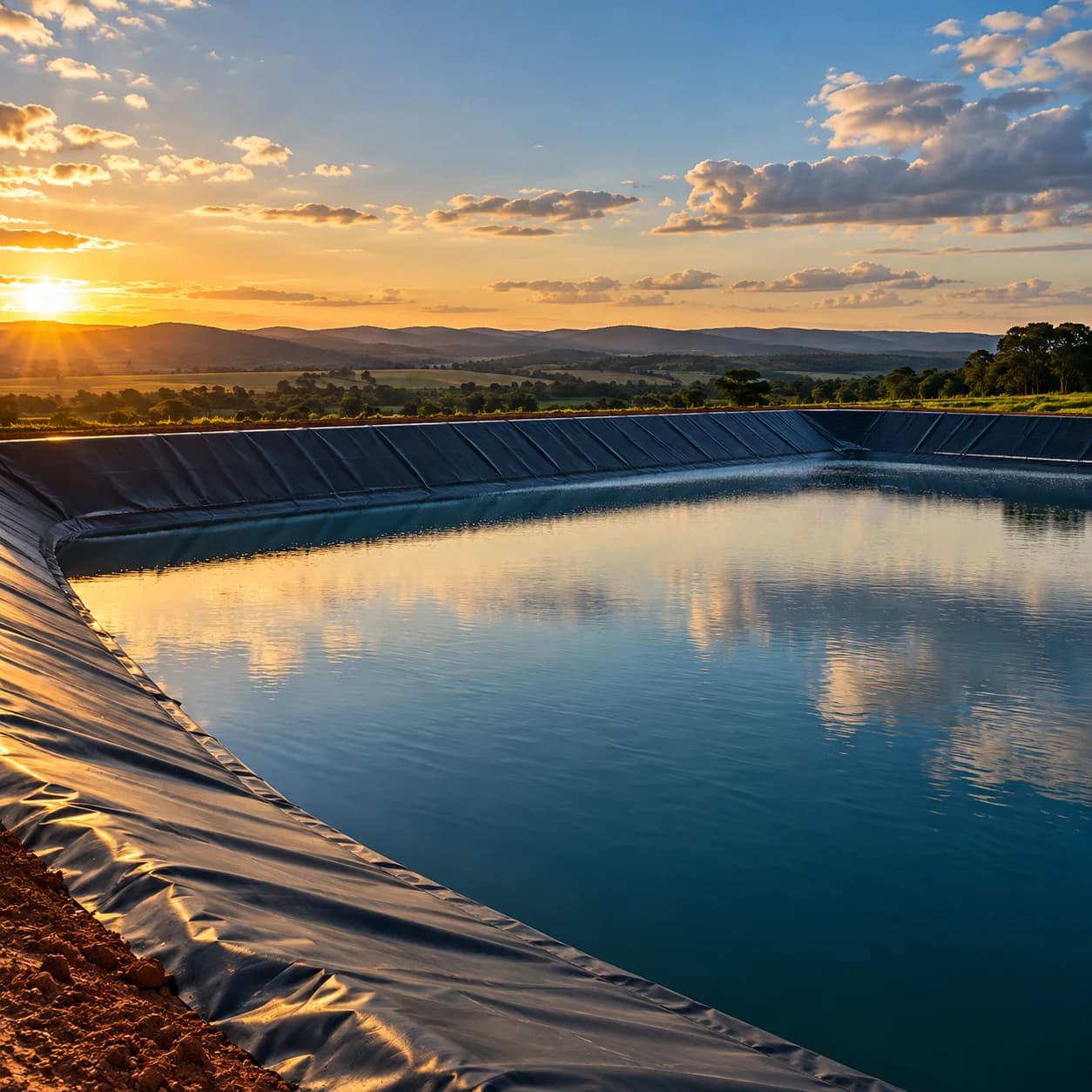
Reservoirs intended for non-potable applications may form part of agricultural water supply systems, industrial process water storage facilities, or other technically approved applications.
Important: Classifying water as non-potable does not mean it can be used without restrictions. Each application requires an appropriate assessment.
How Can Non-Potable Water Be Stored Safely?
Proper storage is essential for maintaining water conditions and reducing the risks of water loss, leakage, and environmental contamination.
For structures such as ponds and excavated reservoirs, several factors deserve attention:
- Ground preparation: The foundation must provide suitable conditions for the waterproofing system.
- Waterproofing: When required, waterproofing helps control seepage and water loss into the surrounding soil.
- Design and capacity: Reservoir design must consider storage volume, geometry, operating conditions, and local site characteristics.
- Protection and safety: Measures should be implemented to prevent accidents, unauthorised animal access, and potential contamination.
- Maintenance: Regular inspections help identify damage and determine when repairs are necessary.
The choice of construction solution must consider the characteristics of the stored water and the technical and environmental requirements of the project.
Why Is HDPE Geomembrane Important for Non-Potable Water Storage?
HDPE geomembrane (High-Density Polyethylene geomembrane) is a material used in waterproofing and lining systems for reservoirs, ponds, and other containment structures.
When correctly specified and installed, it can help to:
- Reduce water losses caused by seepage into the soil.
- Create a low-permeability barrier.
- Improve control over the containment of stored liquids.
- Accommodate different reservoir configurations.
- Facilitate visual inspections of certain areas of the lining system.
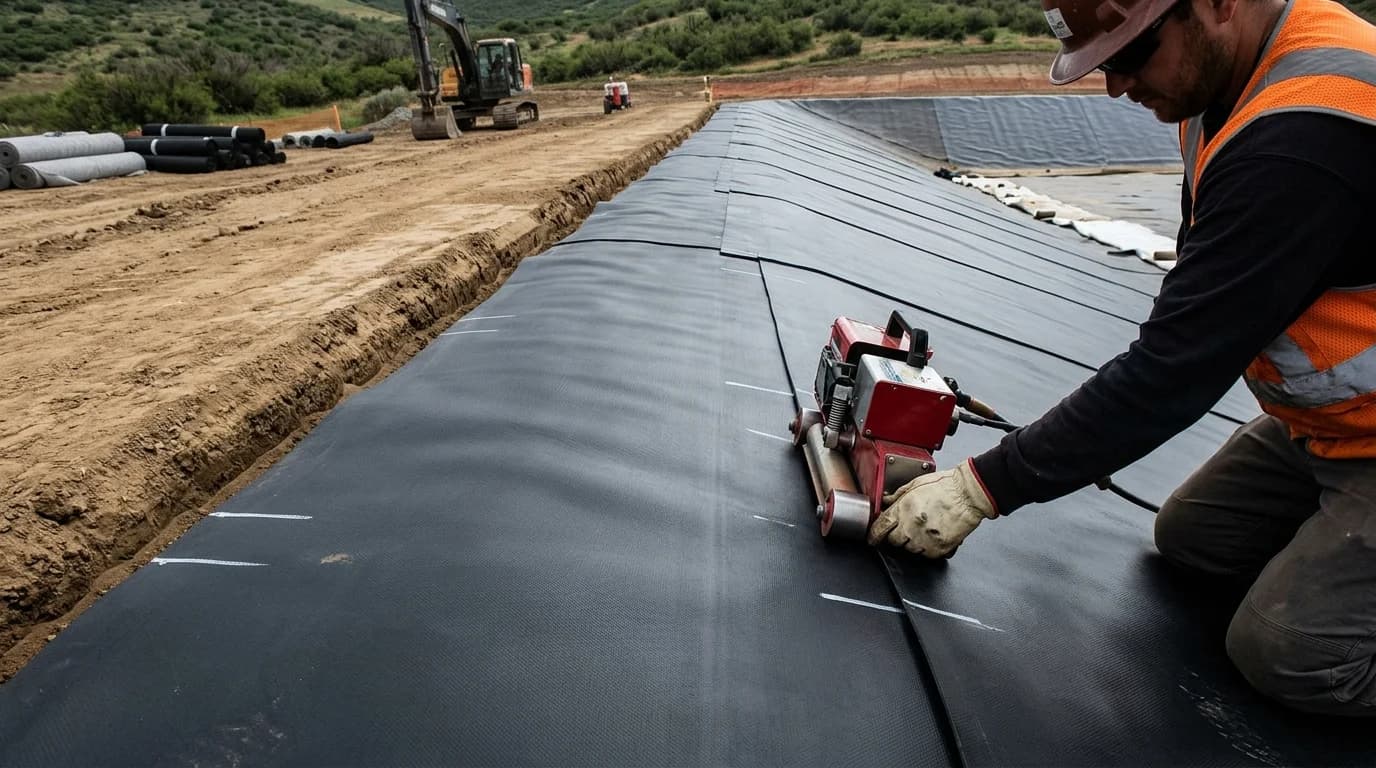
System performance depends on factors such as foundation preparation, geomembrane specifications, welding procedures, anchoring, and installation quality control.
HDPE geomembranes do not treat water or convert non-potable water into potable water. Their purpose is to support effective waterproofing and containment.
How to Choose the Right Waterproofing System for a Reservoir
Before constructing a non-potable water reservoir, several technical factors must be evaluated.
Intended use: Will the water be used for irrigation, industrial processes, or another application?
Liquid characteristics: The chemical composition of the stored liquid may influence the choice of waterproofing materials.
Reservoir capacity: Storage volume, depth, and geometry affect the design.
Ground conditions: Soil stability, potentially sharp materials, drainage, and soil characteristics must be assessed.
Technical installation: Installation, welding, and inspection procedures must follow the relevant project specifications.
A thorough assessment contributes to the efficiency and long-term durability of the waterproofing system.
LJS Soluções Ambientais: Reservoir Waterproofing with Geomembranes
LJS Soluções Ambientais provides geomembrane waterproofing solutions for various applications, including liquid storage and containment structures.
Every project has unique characteristics that must be considered when selecting and implementing the appropriate solution.
If your company, agricultural property, or development requires reservoir waterproofing, contact LJS Soluções Ambientais to discuss your project's requirements and request an assessment.
Related article: HDPE Geomembranes in Reservoirs: From Project Planning to Quality Control.
Frequently Asked Questions About Non-Potable Water
Can Non-Potable Water Be Used for Irrigation?
It depends. Its use requires an assessment of water quality, crop type, soil conditions, and applicable regulations. Not all non-potable water is suitable for irrigation.
Can Non-Potable Water Be Used to Clean Floors?
In certain situations, yes, provided the water quality is appropriate, its use is permitted, and it does not pose health or environmental risks.
Is Non-Potable Water the Same as Reclaimed Water?
No. Non-potable water is classified according to its suitability for human consumption. Reclaimed water refers to water intended for another use after a previous application and may undergo treatment before reuse.
Does HDPE Geomembrane Make Water Potable?
No. HDPE geomembranes are used as waterproofing and containment barriers. They do not replace water treatment systems or water quality testing.
What Is the Best Geomembrane for Non-Potable Water Reservoirs?
The most suitable geomembrane depends on the project, water characteristics, ground conditions, and operational requirements. Material selection should be based on appropriate technical criteria.
Need to Waterproof a Reservoir?
Discover the solutions offered by LJS Soluções Ambientais and request an assessment for your project.