A biodigester is a sealed structure designed to accelerate and control the decomposition of organic matter in the absence of oxygen (a process known as anaerobic digestion). Far from being merely a disposal tank or a manure pit, the system operates as an integrated unit for environmental sanitation, energy recovery, and nutrient recycling.
In agricultural and agro-industrial operations, questions regarding the purpose of this equipment typically arise when producers face environmental compliance challenges, waste management issues, or seek to reduce operational costs associated with energy and fertilizer. The answer lies in three interdependent functions that must be evaluated collectively before making any technical decision or investing in biodigesters.
The Three Essential Functions of a Biodigester
A biodigester transforms an environmental liability with high polluting potential into two valuable agronomic and energetic coproducts. It continuously or semi-continuously fulfills three primary roles:
1. Treatment and Stabilization of Organic Effluents
The primary and most critical function is sanitation. Raw livestock waste (such as swine and cattle manure) and agro-industrial effluents carry high organic loads, measured by parameters such as Chemical Oxygen Demand (COD) and Biochemical Oxygen Demand (BOD). When discharged onto soil or into water bodies without prior stabilization, they cause groundwater contamination, eutrophication, and vector proliferation.
Inside the sealed chamber, anaerobic microorganisms degrade the biologically active fraction of the waste. This process significantly reduces pathogen loads, minimizes uncontrolled odor emissions, and enables safer disposal or reuse under environmental licensing standards.
2. Controlled Biogas Generation for Energy
During the breakdown of organic matter by microbial consortia, gases are continuously released—predominantly methane (CH₄) and carbon dioxide (CO₂), along with traces of water vapor and hydrogen sulfide (H₂S). Instead of escaping into the atmosphere—where methane has a global warming potential dozens of times higher than carbon dioxide—the gas is captured by the gastight cover.
The captured biogas can be utilized in several ways across the facility:
- Thermal energy: combustion in boilers, livestock barn heaters, and retrofitted burners.
- Electrical energy: fueling generator sets to supply electricity to the farm or agro-industrial plant.
- Biomethane: after industrial purification and removal of moisture and contaminants, the gas can achieve quality standards equivalent to vehicle natural gas.
The volume of gas generated depends on the available biomass and its composition, a topic detailed in the guide on how much biogas a biodigester produces.
3. Digestate (Biofertilizer) Production
The residual material leaving the biodigester after the hydraulic retention time (HRT) is neither pure water nor inert sludge: it is digestate. Unlike burning or drying, anaerobic digestion preserves virtually all of the original macronutrients present in the manure (nitrogen, phosphorus, and potassium), converting a portion of the organic nitrogen into ammoniacal forms that are more readily assimilated by crops.
This stabilized material can be applied to croplands or pastures via fertigation systems or vacuum tank trucks. However, responsible application requires prior planning of application rates per field plot, as discussed in the assessment on effluent fertigation.
How Anaerobic Digestion Occurs Inside the System
The operation of a biodigester does not rely on an instantaneous chemical reaction, but on a biological chain structured into four interdependent microbiological stages:
- Hydrolysis: hydrolytic bacteria break down complex polymers (carbohydrates, proteins, and lipids) into simple molecules, such as sugars and amino acids.
- Acidogenesis: acidogenic microorganisms convert these simple compounds into volatile fatty acids, alcohols, carbon dioxide, and hydrogen.
- Acetogenesis: other microbial groups convert these intermediates into acetate, hydrogen, and CO₂, which serve as direct substrates for the final phase.
- Methanogenesis: strictly anaerobic archaea convert acetate and hydrogen into methane and water.
To keep this biological chain active, the biodigester requires stable operating conditions: absolute absence of air, relatively constant temperatures, balanced pH (typically near neutral), and a regular feeding rate free from shock loads or toxic biocidal substances (such as concentrated disinfectants or excessive antibiotics).
Primary Application Contexts
Biodigesters do not follow a single universal model. Sizing and design vary according to the production setup:
- Swine farming: a classic application due to liquid manure management and ease of flow. It requires robust containment and prior removal of sand or heavy mineral sediments.
- Dairy farming: particularly suited for confined systems (free-stall or compost barn), where manure and alley flush water can be collected routinely.
- Agro-industries and slaughterhouses: treatment of blood, wash water, and processing effluents containing high concentrations of fats and proteins, requiring continuous mixing systems and rigorous monitoring.
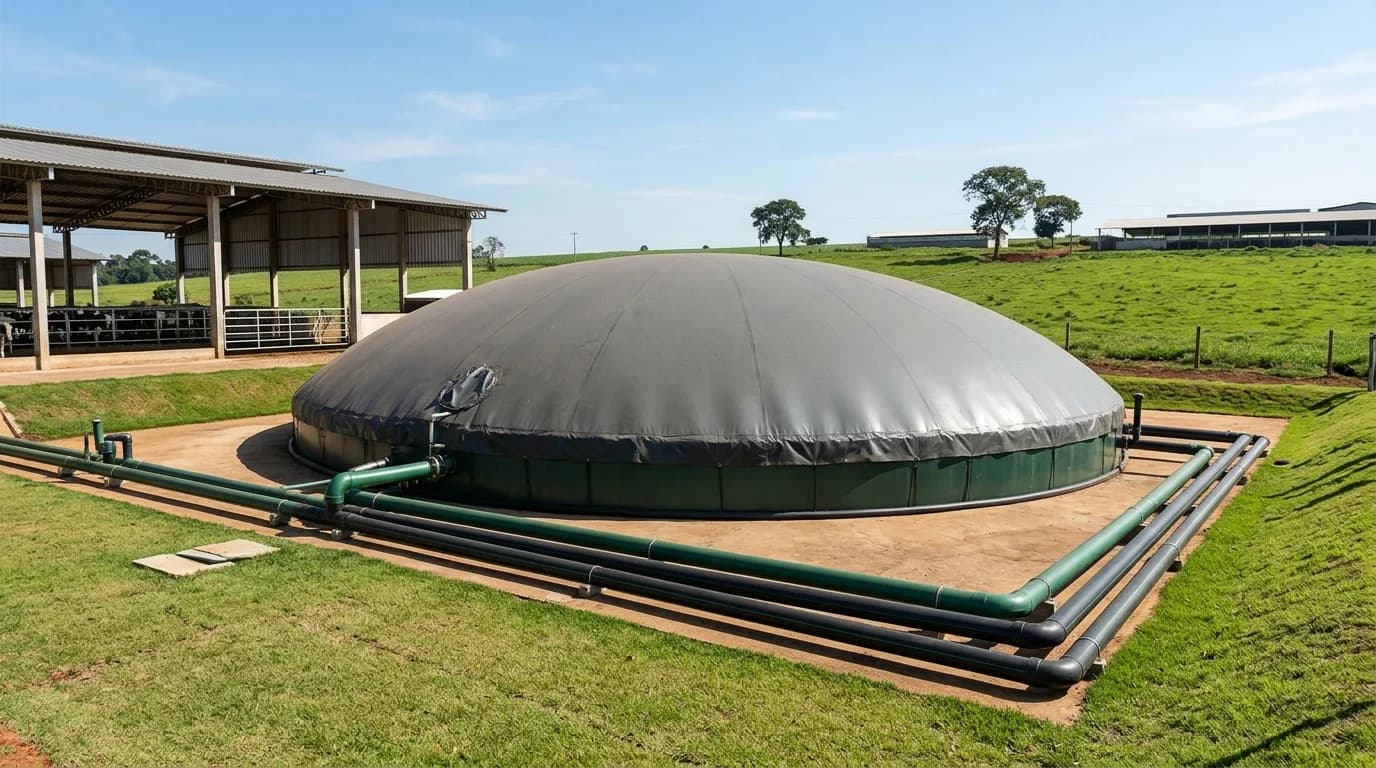
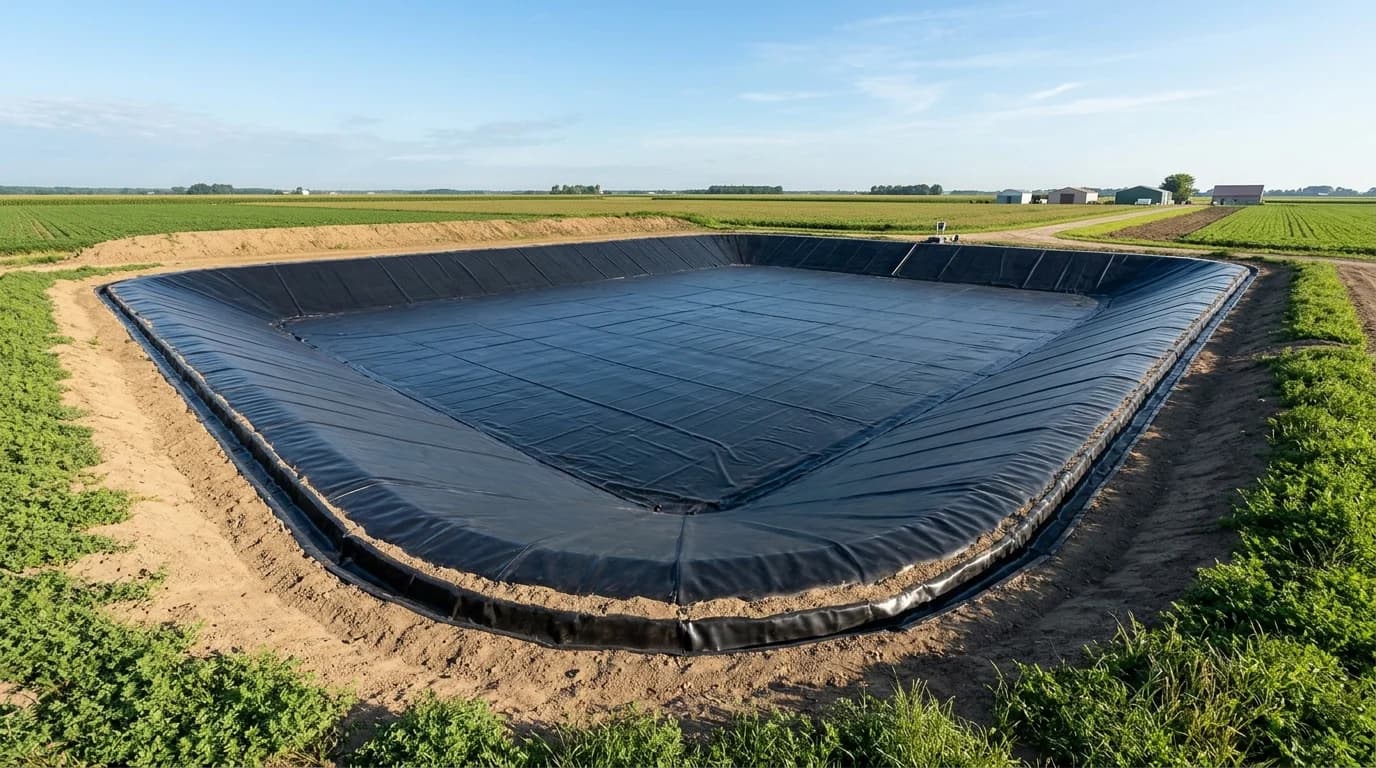
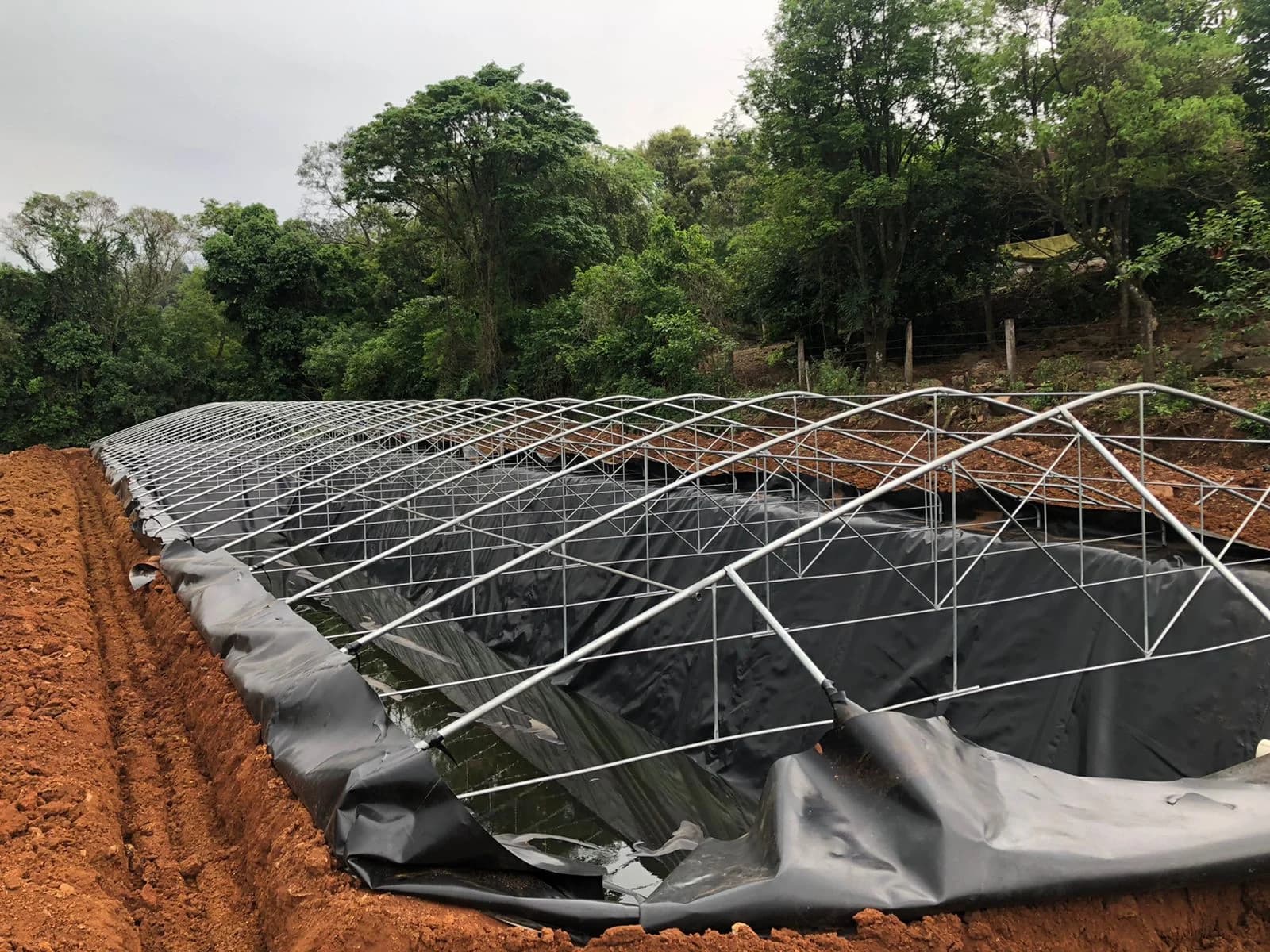
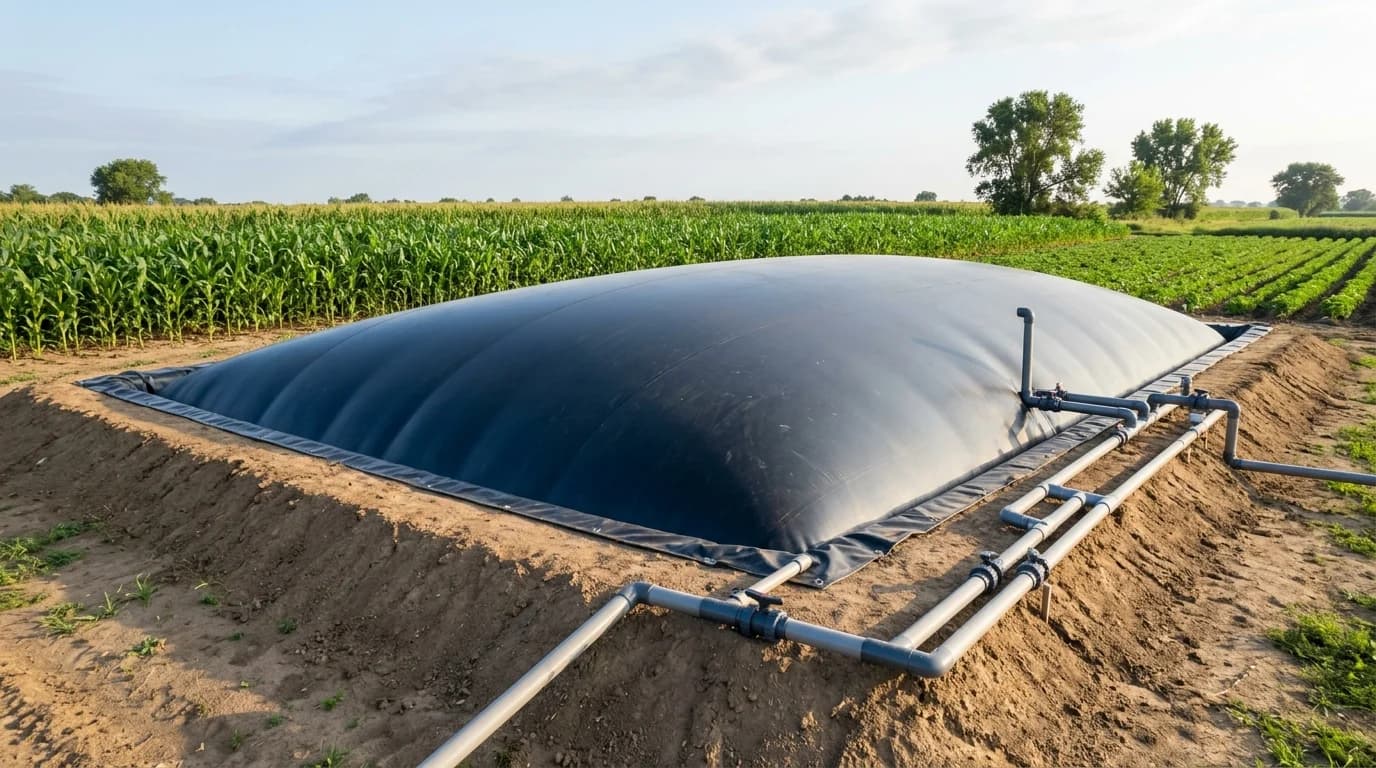
In large rural operations, the most widespread design in Brazil uses excavated lagoons lined and covered with flexible synthetic membranes, such as geomembrane, which ensure bottom impermeability to protect the soil and provide an inflatable dome for gas containment.
What a Biodigester Cannot Do: Aligning Expectations
To evaluate project feasibility, understanding the limitations of the technology is essential. Several common misconceptions can lead to operational setbacks:
- It is not a universal waste disposal pit: whole carcasses, soil, wood scrap, stones, and plastics clog piping, cause sedimentation in the lagoon, and halt methanogenesis.
- It does not eliminate the need for water management: while anaerobic digestion reduces organic load and pathogens, liquid digestate retains substantial volume. The property must possess sufficient agricultural land or secondary treatment stages to receive it.
- It does not generate financial returns without maintenance: pressure relief valves, condensate traps, gas filters, and sludge accumulation require regular preventive inspection. An unmaintained system loses biological efficiency and introduces operational risks associated with pressurized gas.
- Animal counts alone do not define the project: biogas yield and digester dimensions depend on flush water volumes, substrate retention time, and actual dry matter content, as outlined in the guidelines for data needed before a biodigester project.
Criteria for Deciding on Implementation
The feasibility of a biodigester begins with an effluent mass balance assessment, site topography and soil evaluation, and a defined plan for biogas utilization or flaring. The technology delivers sanitation and energy precisely in proportion to controlled feeding, sound structural design, and consistent field monitoring routines.